
Mojácar, a White Christmas
The magic of Christmas is once again set to dazzle Mojácar! It won’t be long before our white village lights up with joy, wonder and tradition to welcome the most beautiful time of the year.
There are 201 plans: 142 culture, 34 nature and 11 music. 47 of them are free. To start with: “Mojácar, a White Christmas”, “Presentation of ‘El templo de las mariposas’” and “Storytelling: King Patricio Doesn't Exercise”.
The best of those days
What rarely reaches the city





The magic of Christmas is once again set to dazzle Mojácar! It won’t be long before our white village lights up with joy, wonder and tradition to welcome the most beautiful time of the year.

Presentation of Cristóbal Pardo Sánchez’s poetry collection, with contributions from Eduardo Hernández Escobar, Peter Juan Gómez Alcaide and Josefina Góngora Pérez. Open to the general public, with free admission until capacity is reached.

Storytelling based on the book by Levina Van Teunenbroek, illustrated by Charlotte Bruijn. Recommended for ages 3 and up; subject to capacity.
Open today · 10:00-14:00 and 17:30-20:30
The Centro Andaluz de la Fotografía (CAF) offers its autumn cultural program through December 22, designed for adults and families. All activities are free, with limited places and advance booking required.
Open today · 10:00-14:00 and 17:30-20:30
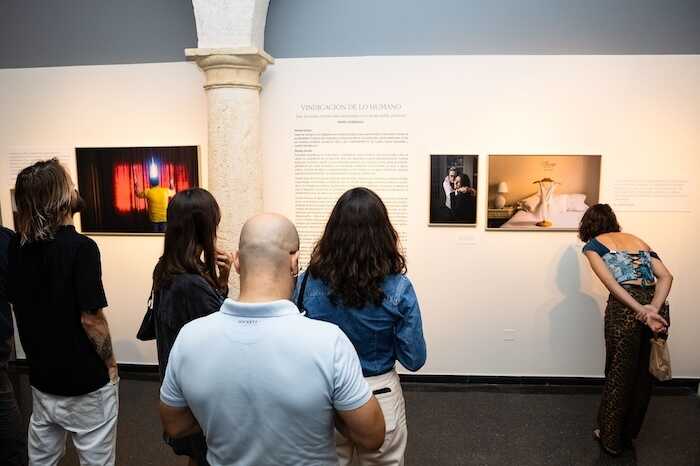
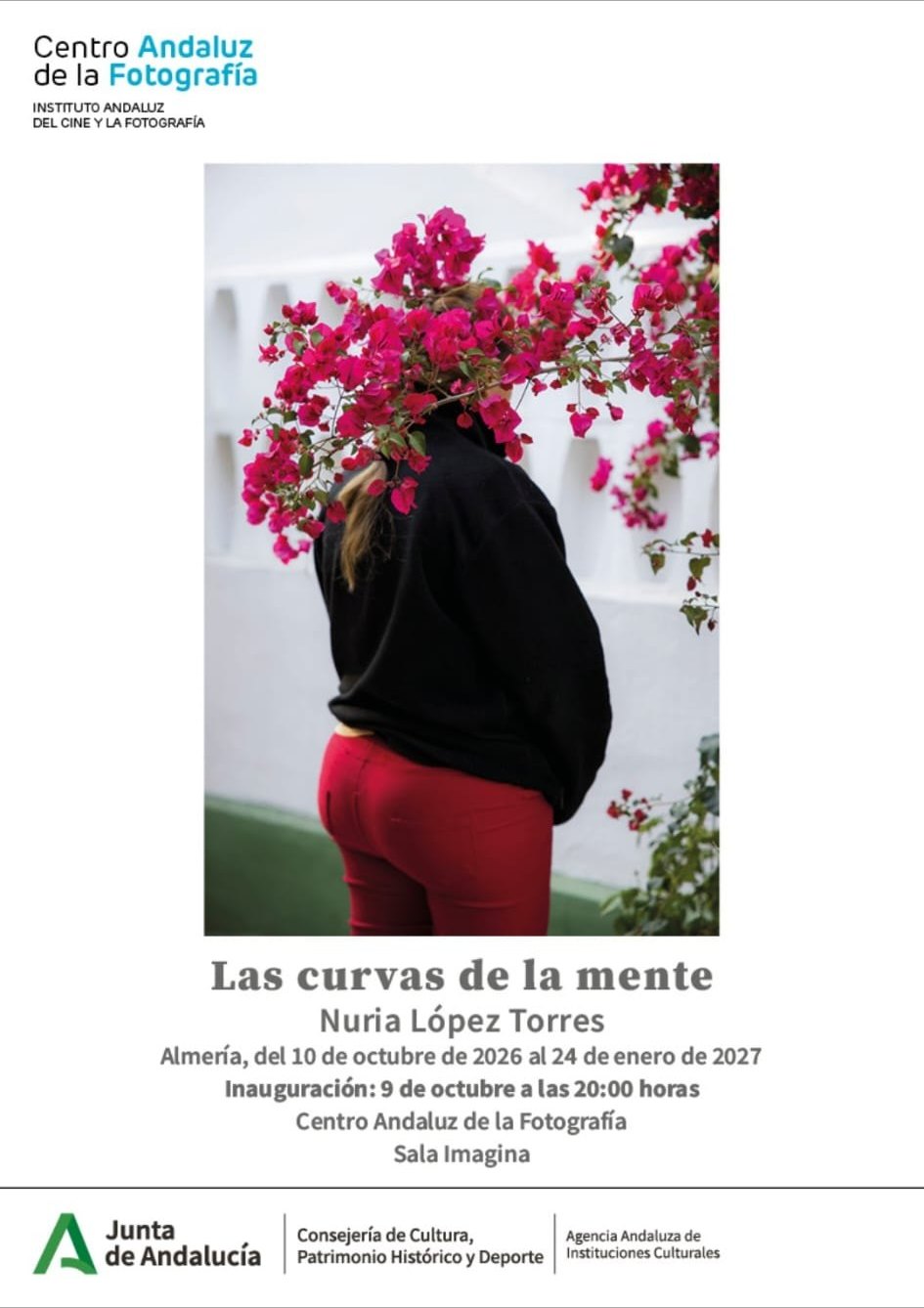
The Andalusian Center of Photography presents “The Curves of the Mind” in its Sala Imagina, an exhibition by photographer Nuria López Torres that can be visited in Almería from October 10, 2026, to January 24, 2027.
Open today · 9:00-21:00
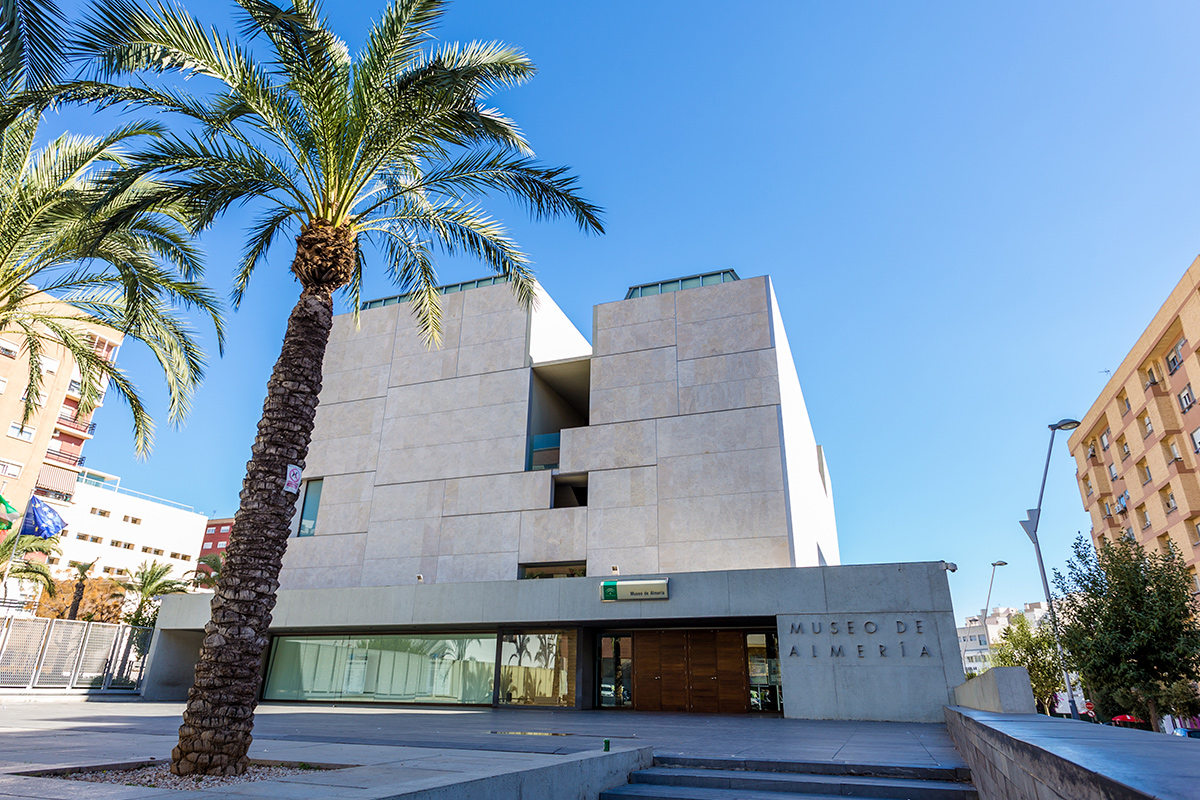
The Almería Museum hosts the exhibition “Luis Siret. Actions, Not Words”, the most comprehensive review to date of the Belgian engineer and archaeologist.
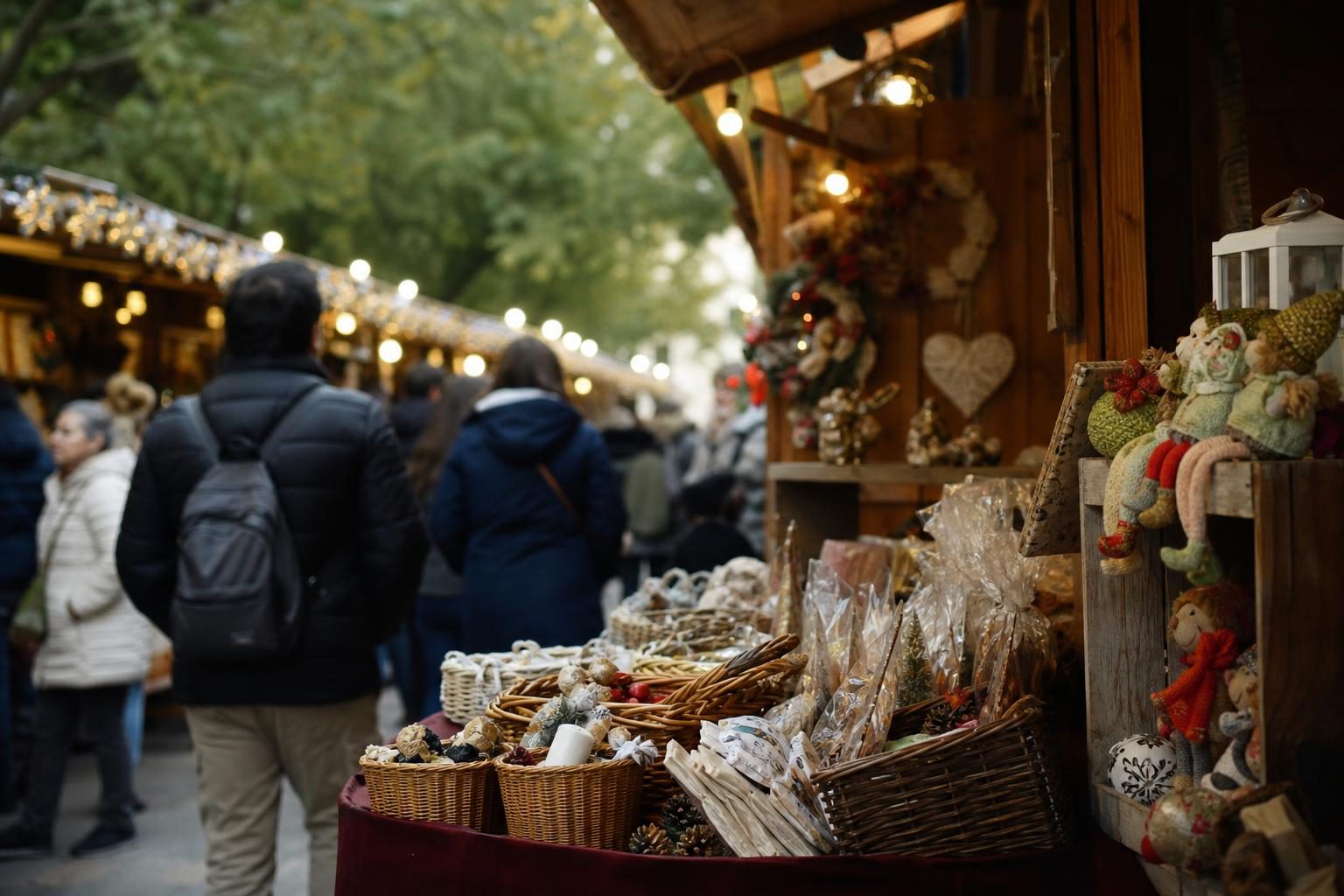
AI-generated imageAbout 70 wooden stalls for crafts, gifts and products, plus 15 for sweets, nuts, chestnuts, turrón and candy floss, at Rambla (avenida Federico García Lorca) and Parque Nicolás Salmerón, with two illuminated entrances. Council-planned dates: 25 Nov–10 Jan; hours in the Christmas programme.
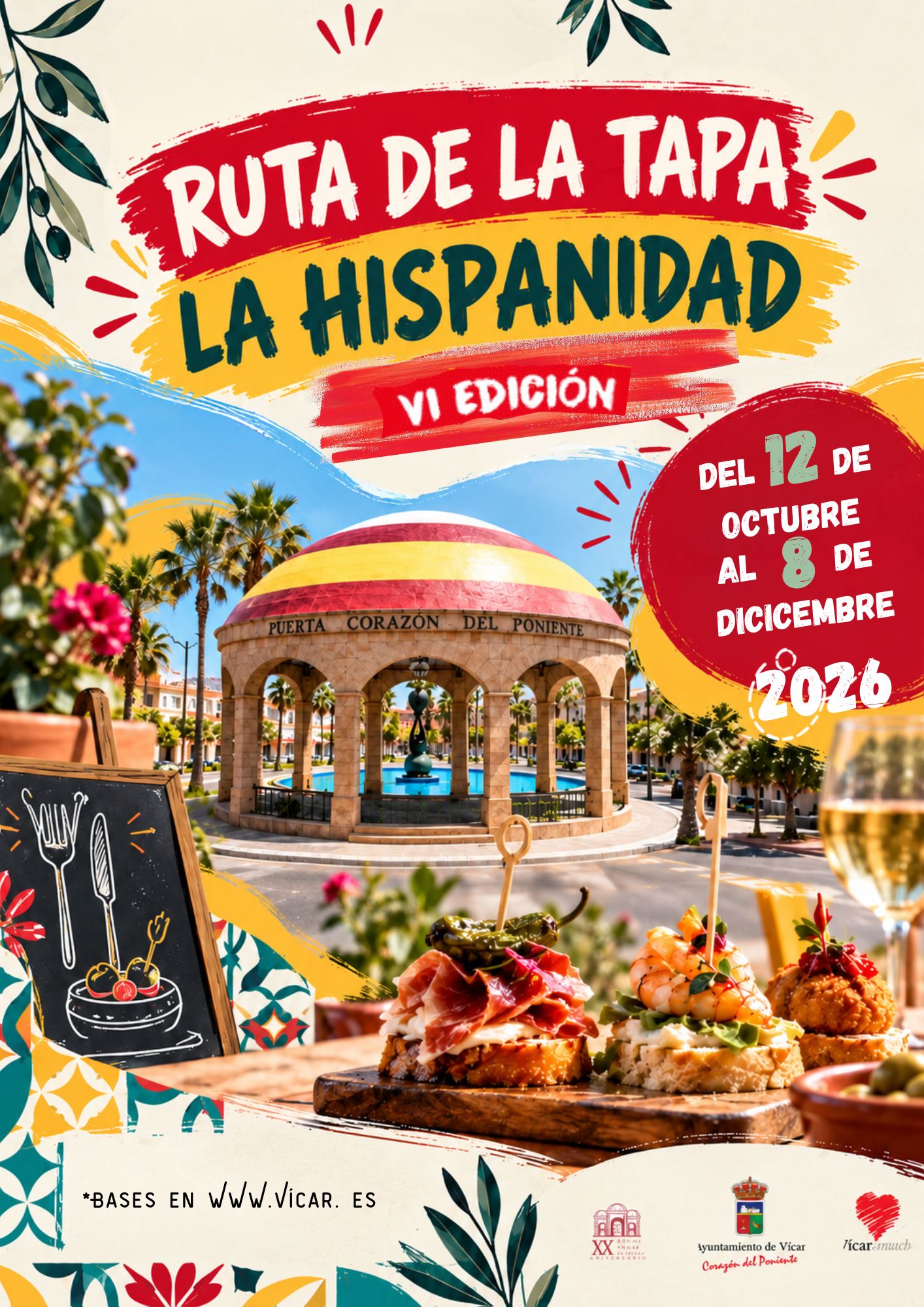
Sixth Vícar Tapas Route, with 14 bars and restaurants in the municipality. At each venue, they stamp your card and you rate its tapa from 0 to 5; with 7 stamps, leave it in any ballot box to enter the draw for a weekend for two at a hotel with a spa.
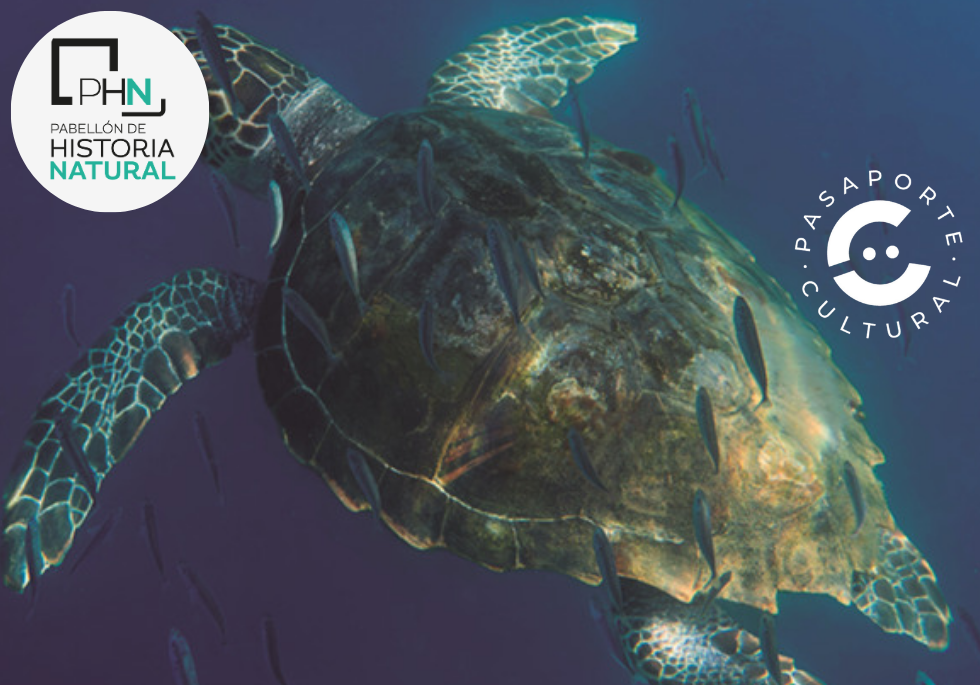
Exhibition at the University of Almería’s Natural History Pavilion on the Alborán Sea, between the Atlantic and Mediterranean, and its marine life off Almería. It also covers threats from climate and human activity. Free Fri–Sun mornings; some days, 12:00 guided tours (weekday groups by email booking).
Open today · 10:00-14:00 and 16:30-20:30
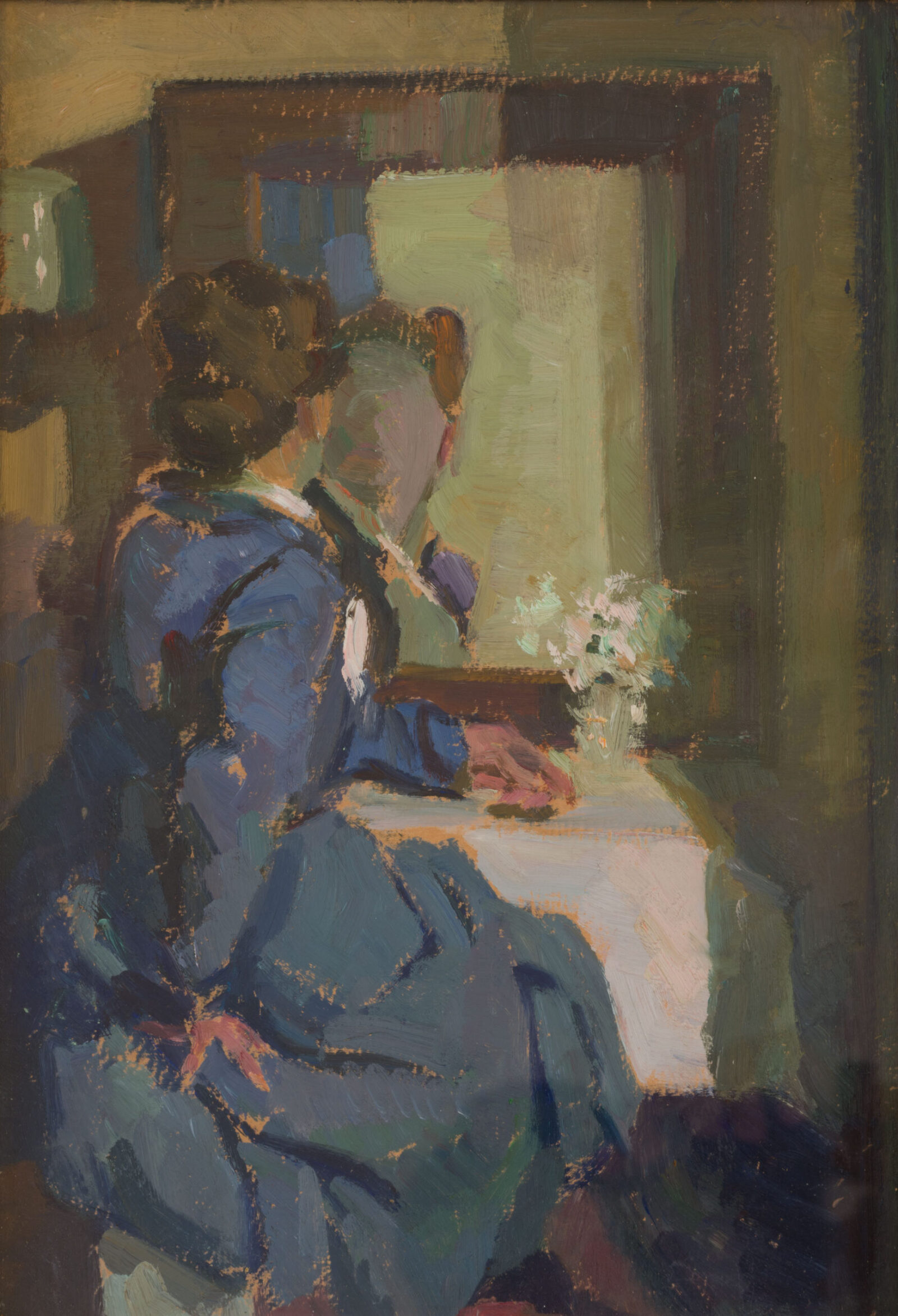
From October 23, 2026, to January 17, 2027, the Museum of Contemporary Spanish Realism (MUREC) in Almería hosts the exhibition “Pascual Capuz: The Artist Who Turned Modernity into a Graphic Language” in Exhibition Room 1…
Tetería Almeraya, at 9 Calle Perea, presents its November and December programme: café-theatre, music, dance, graphic humour and activities, under the motto “Music, theatre, love and mojitos”.
Mundo Marino Catamaranes, celebrating its 30th anniversary, invites you to discover Almería from the sea with two departures from the Levante Quay at the Port of Almería.

However, when he is on stage, a multitude of beings joins us, and things, even the most insignificant, find their voice…
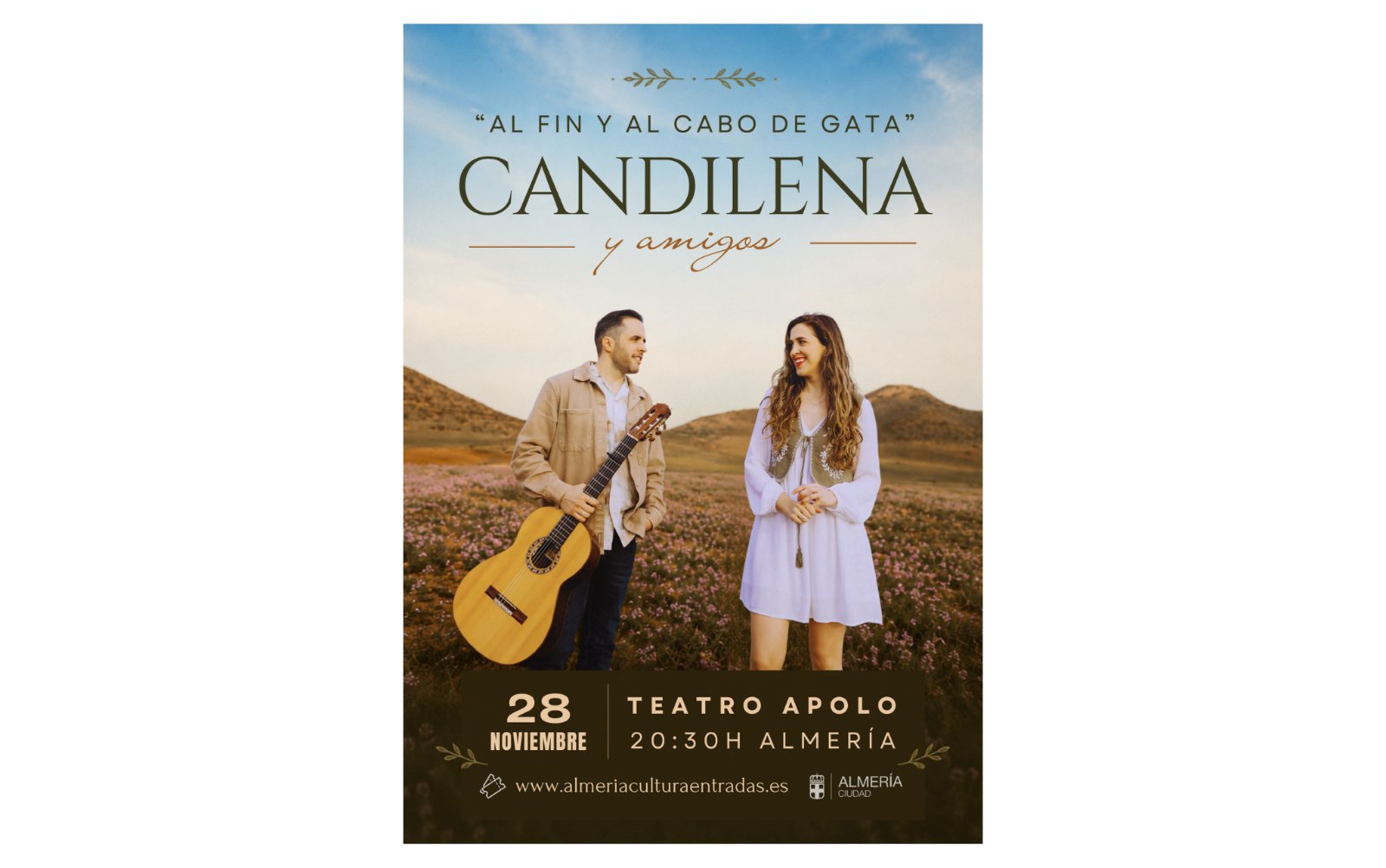
Candilena presents a show that weaves together music, verses, and songs. An evening to enjoy poetry with invited friends and companions.

Musical theatre and puppetry for the whole family at Sala ABBA Teatro. A pirate adventure in search of treasure, with songs and audience participation; tickets on Entradium.
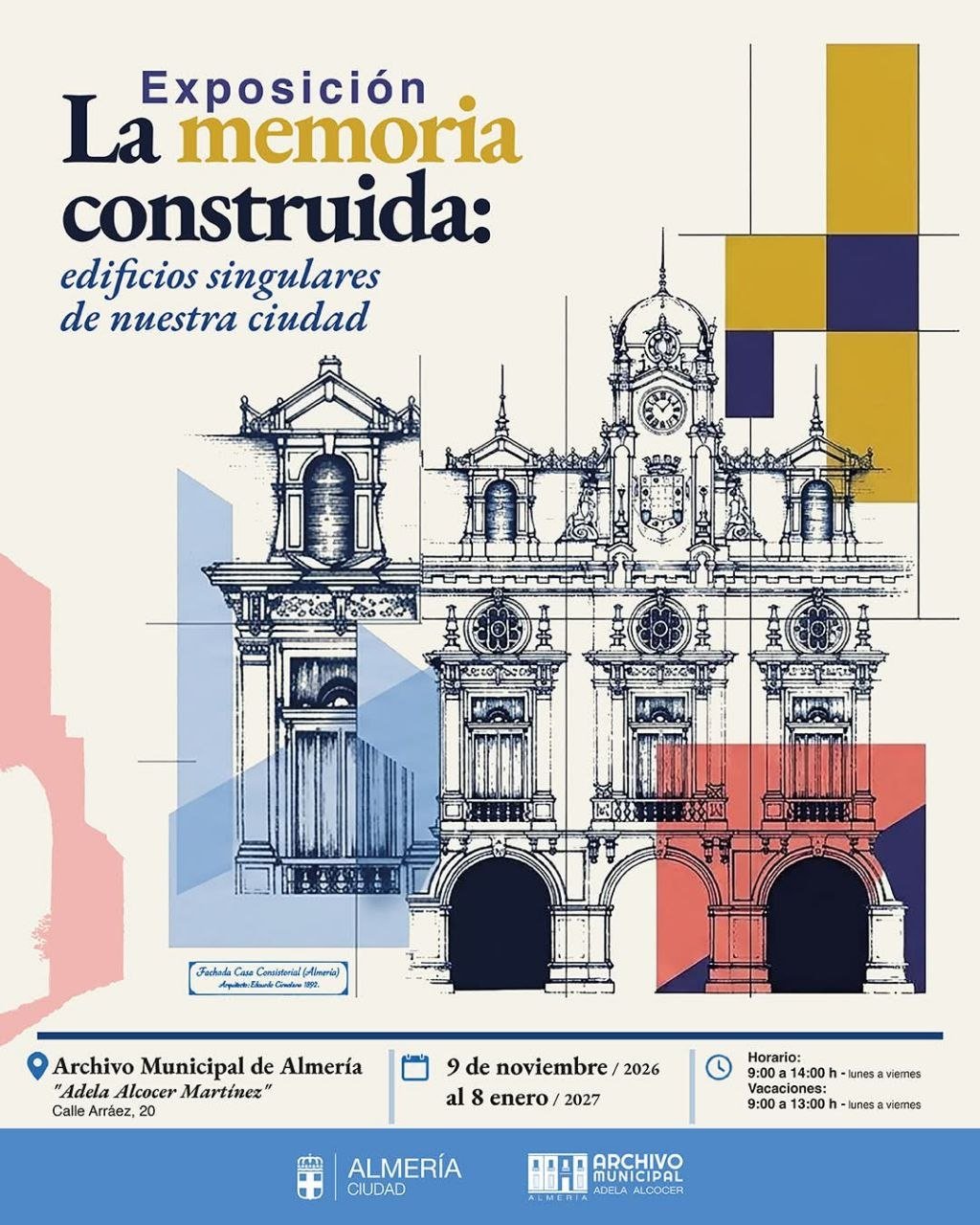
The Almería Municipal Archive “Adela Alcocer Martínez”, at 20 Arráez Street, hosts the exhibition “Built Memory: Landmark Buildings in Our City” from 9 November 2026 to 8 January 2027, a journey through the…
Enjoy flamenco shows at El Pimiento. Performances are on Fridays and Saturdays at 19:00 and 20:30.
AI-generated imageTwo natural ice rinks, one for adults and one for children, on the Las Almadrabillas esplanade, next to the Cable Inglés. Open from 25 November (or from the official Christmas opening, if later) until 6 January, from 10:00 to 22:00, with some changes to the schedule on certain days. The price will be announced by the City Council.

Disney Day from 12:00. Disney concert by the Municipal Music Band at 17:30. Christmas lights switch-on in Plaza Nueva at 19:00.
 Mapa © colaboradores de OpenStreetMap
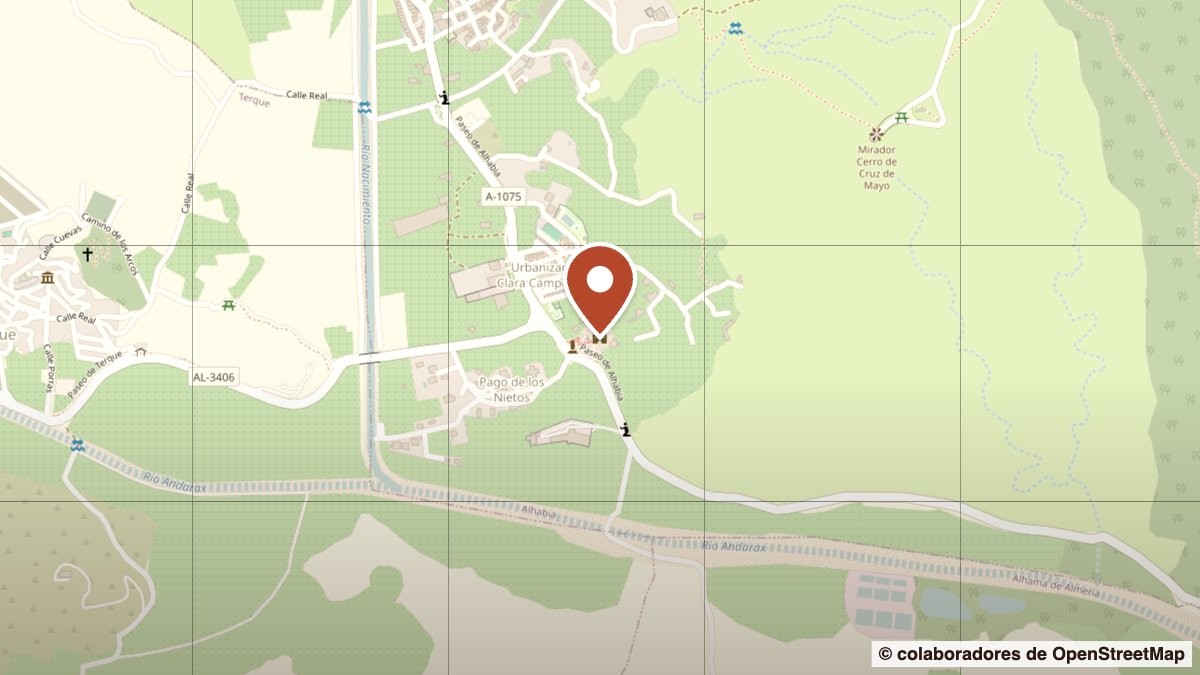
Remains of an Arabic-era fortress in Alhabia, protected as an Asset of Cultural Interest. Little remains standing, but what has survived gives you an idea of what this medieval castle overlooking the Andarax Valley was like.
 Mapa © colaboradores de OpenStreetMap
Closed today · opens on Saturday
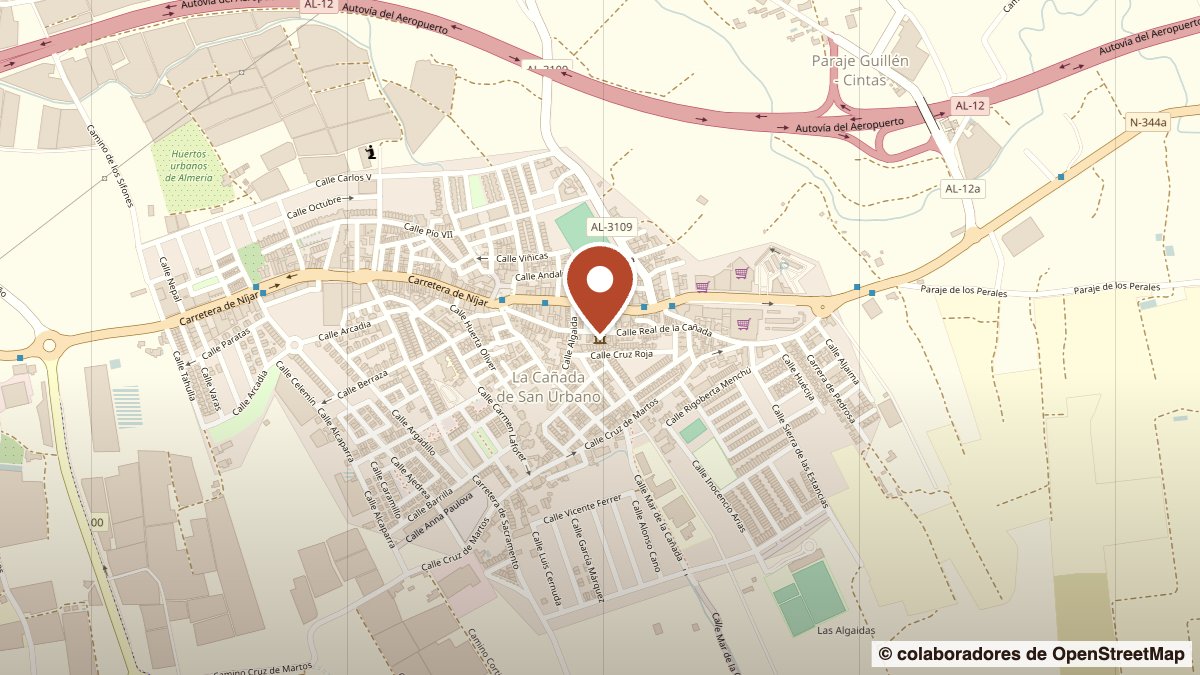
La Cañada house/workshop where Antonio de Torres lived and built guitars. The Almería-born maker shaped the modern Spanish guitar until his death in 1892. Now municipal, it displays his tools, molds, templates, woods and family-preserved guitars. Free, Saturdays only: mornings and afternoons Oct–May; mornings only in summer.
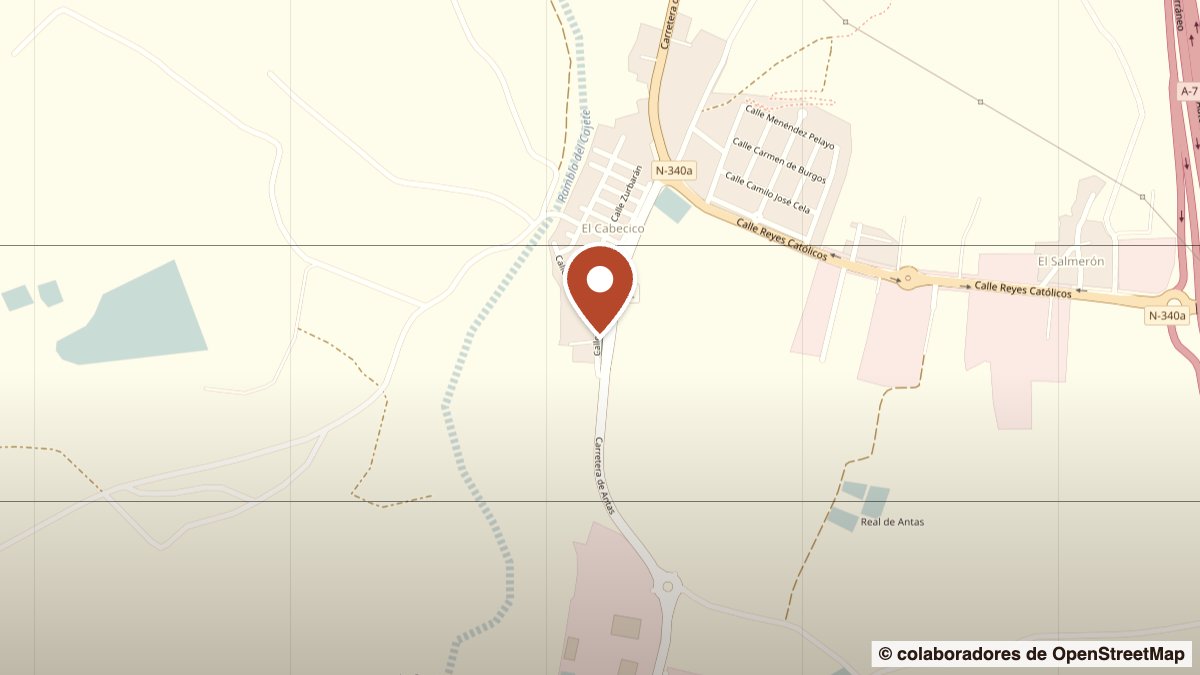 Mapa © colaboradores de OpenStreetMap
A nearly 300-metre aqueduct built in 1902 in El Real, Antas, to carry water to crops. It was a very modern industrial structure for its time: a steam engine pumped water up to a reservoir, and the aqueduct distributed it from there. It still impresses with its size, though its age is showing.
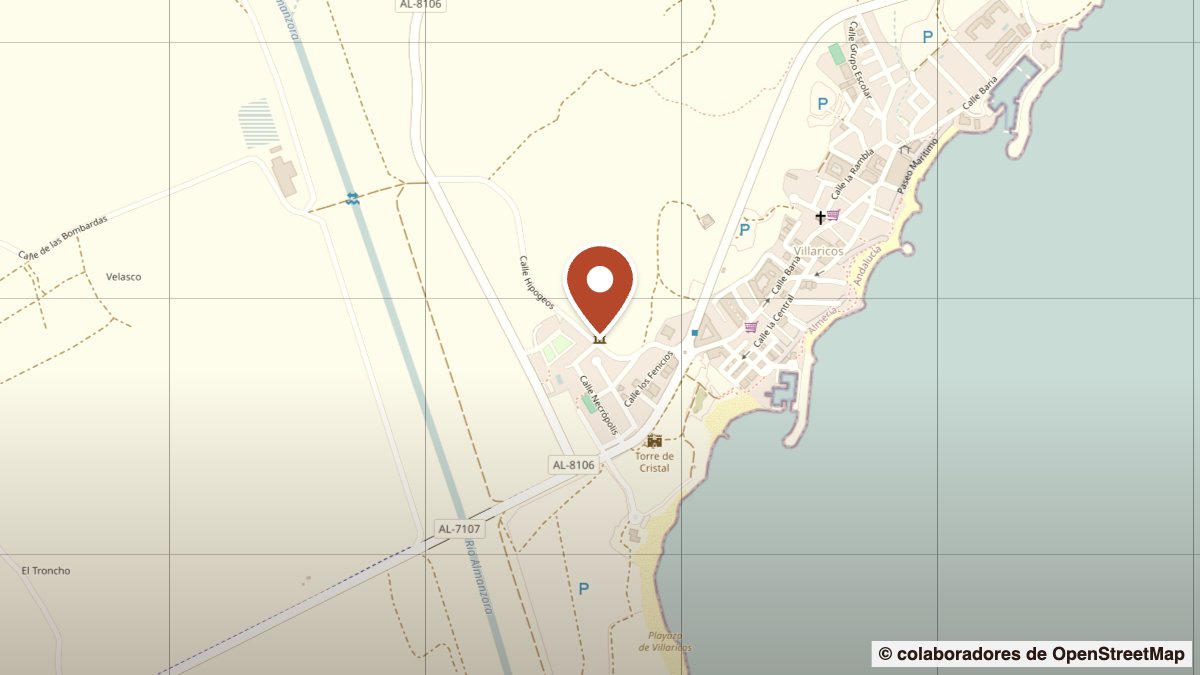 Mapa © colaboradores de OpenStreetMap
Closed today · opens on Wednesday
Remains of Baria, a Phoenician city by the Almanzora mouth, rich from trade, mining and fishing. Its necropolis has large underground Phoenician-Punic tombs. Free; Sep–May, Wed–Sun 10:00–14:00; summer afternoons too. Groups of 10+: guided visit by phone booking. Wear comfortable shoes.
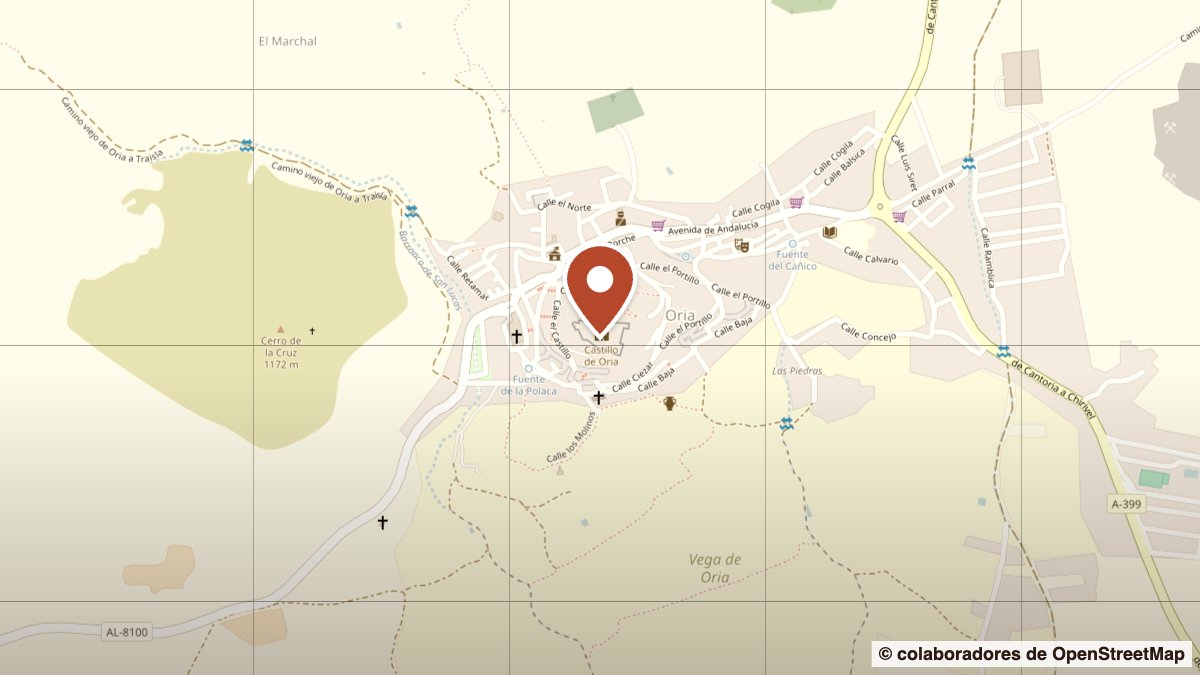 Mapa © colaboradores de OpenStreetMap
Remains of the 13th-century Alcazaba that overlooked Oria, now set up as a viewpoint: follow the old rampart walk, while wooden platforms mark where the towers stood, with views over the town and valley.
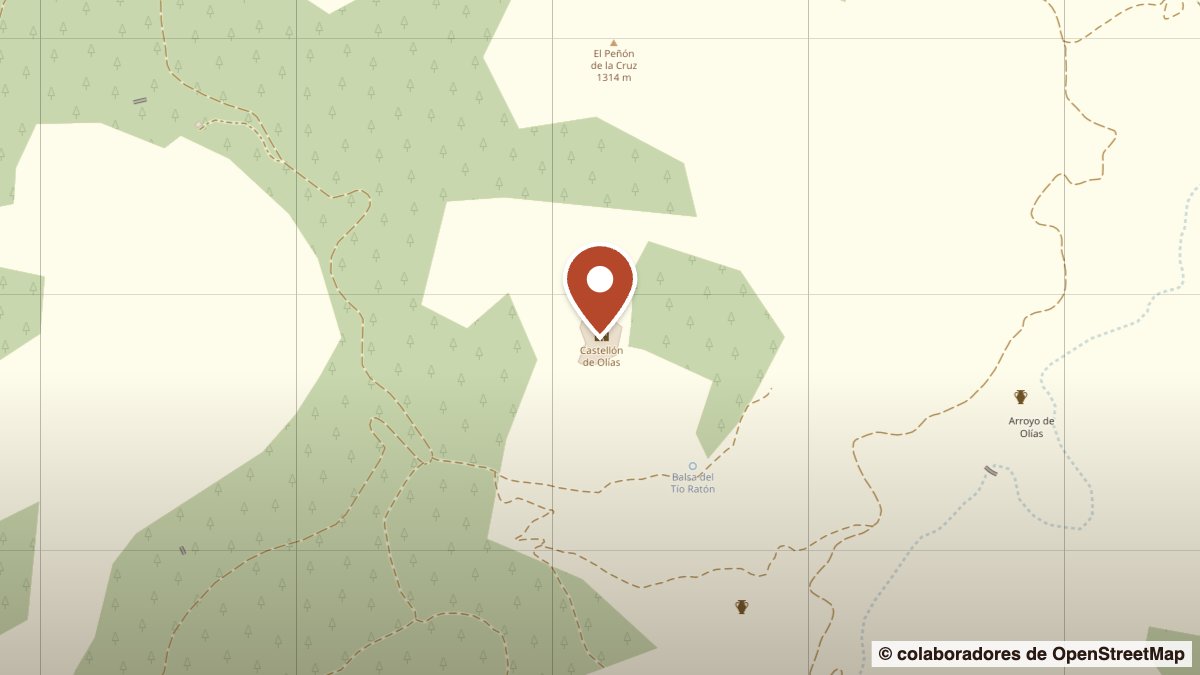 Mapa © colaboradores de OpenStreetMap
Olías Fort ruins retain part of its crenellated wall. Oria’s guided history tour (2 or 3 hours) also visits La Merced Basilica, chapels, Arab fortress, Rambla watchtowers and Balsa Vieja Castle ruins. €5–9/person by group size; book by phone with Almanzora Tour Life. Also via Olías stream trail.
 Mapa © colaboradores de OpenStreetMap
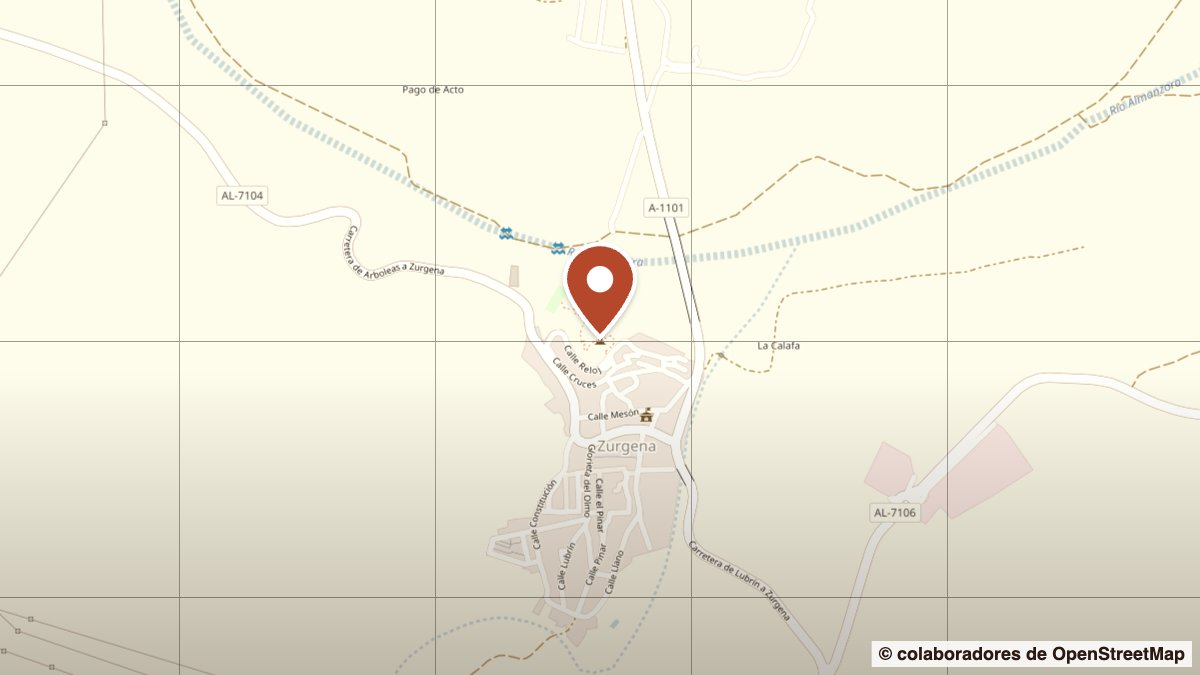
Clock tower dating from 1882, atop Castle Hill, the town’s highest point. About 7 metres tall, it has two sections: a square lower one and an upper one with chamfered corners, plus an eight-sided Arab tile roof with a weather vane. It houses the clock bells. It can be viewed from outside, and from above there are views over the Almanzora Valley.
 Mapa © colaboradores de OpenStreetMap
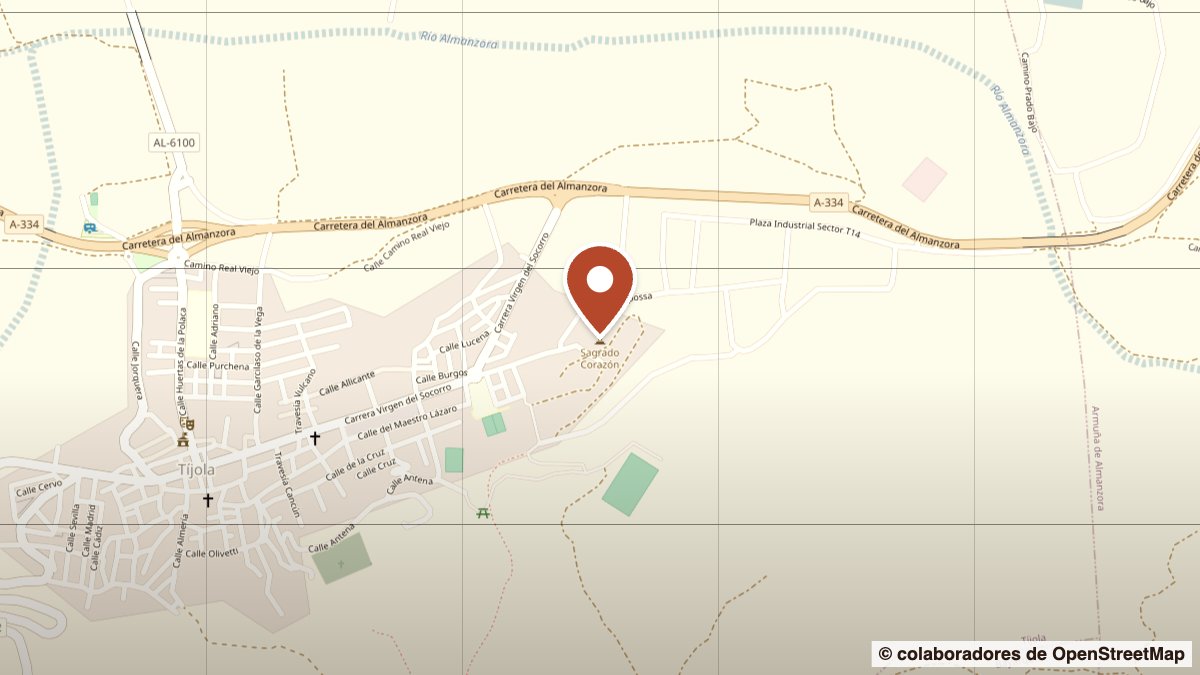
A white statue of the Sacred Heart, slightly larger than life-size, blessed in 1947 atop the hill that serves as a viewpoint over Tíjola. A staircase leads up to the pedestal, with benches around it where you can sit and look out over the town and the Almanzora Valley.
 Mapa © colaboradores de OpenStreetMap
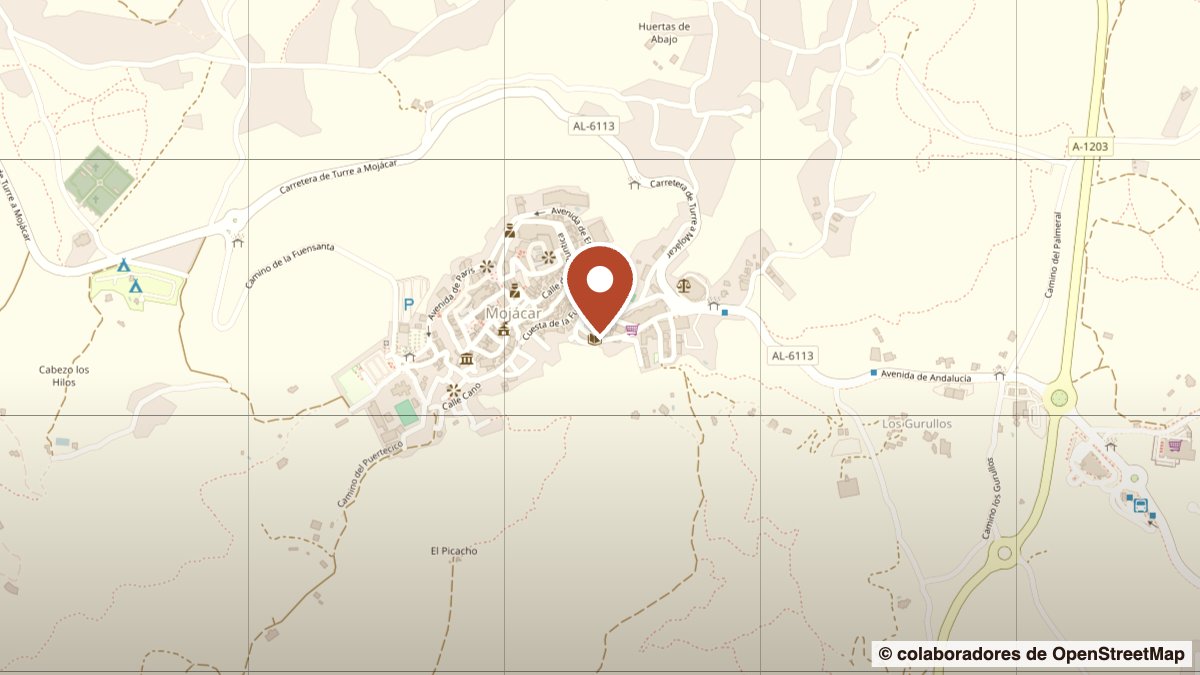
Mojácar’s old fountain, below the village: water flows from thirteen spouts into marble basins, and people still fill jerrycans. A plaque recalls that in 1488 its last Moorish mayor, Alavez, negotiated surrender with the Catholic Monarchs’ envoy, asking that residents be allowed to stay.
 Mapa © colaboradores de OpenStreetMap
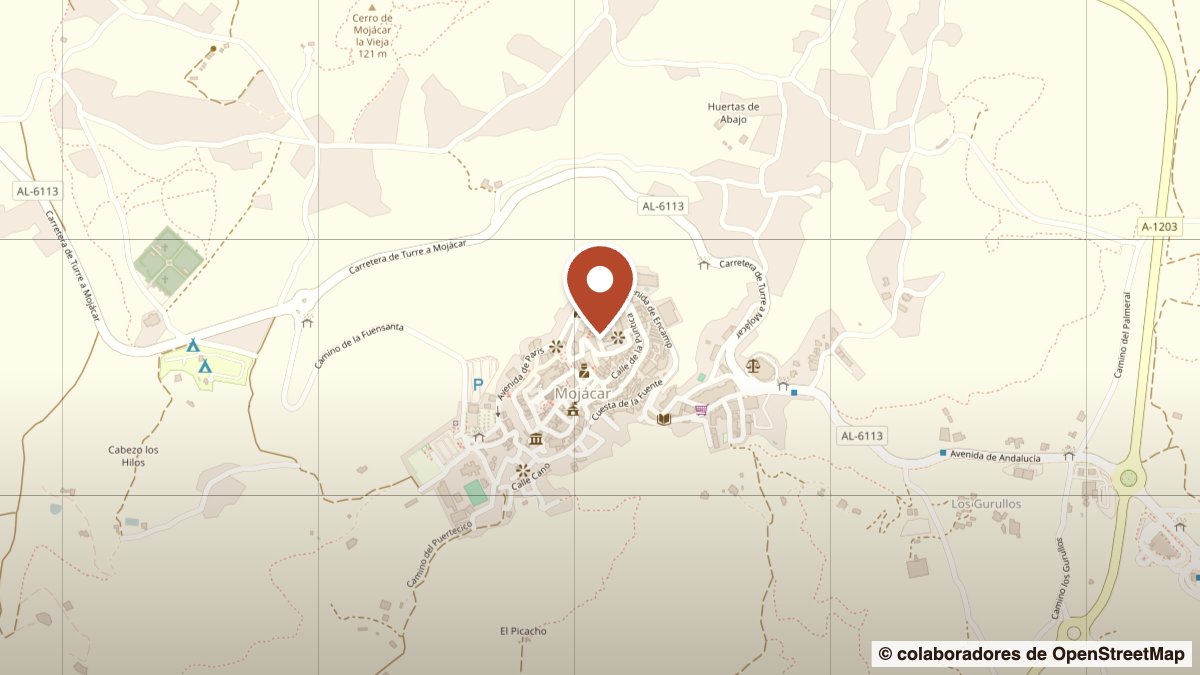
A square high above Mojácar, over an old water tank, that leads visitors from the streets of the historic quarter to the viewpoint. The paths, pergola and furnishings are carefully designed to reveal views of the town and coast.
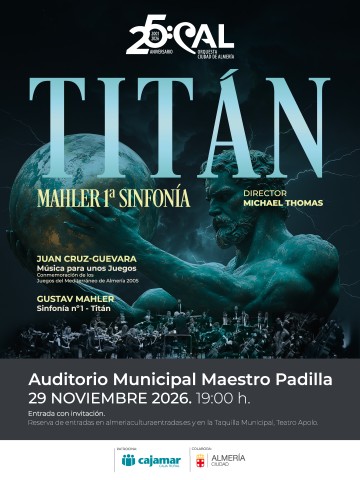
The Almería City Orchestra (OCAL) celebrates its 25th anniversary with “Titan,” a concert conducted by Michael Thomas at the Maestro Padilla Municipal Auditorium. Programme: Juan Cruz-Guevara: “Music for Some Games,” in…
Enjoy Sara Baras’s show at the Auditorio Municipal Maestro Padilla in Almería. An unforgettable flamenco journey taking place on the 27th and.

Berlin Social Club hosts a Nixon concert. Doors open at 8:30 pm and the concert starts at 9:30 pm. Tickets: €19.80.

Tablao Flamenco La Canastera, at 5 Cordoneros Street in Almería, offers an evening of flamenco with live dancing, singing and guitar. Booking tickets in advance is recommended.
 Photo: Eduardo Manchon · CC BY-SA 3.0 · Wikimedia Commons
Closed today · opens on Thursday
Geology museum in the former Rodalquilar foundry, within Cabo de Gata-Níjar Natural Park. It explains how the volcanoes of Cabo de Gata formed, displays rocks and minerals from across Andalusia, and traces the area’s mining history, from 16th-century alum to 20th-century gold, with a 20-minute audiovisual presentation. Free; open Thursday to Saturday mornings.
 Photo: MdeVicente · Dominio público · Wikimedia Commons
Stone kilns lined with refractory brick, built in 1900 to roast iron ore from the Sierra Alhamilla before transporting it by train to Agua Amarga, 36 km away, for shipment to northern Europe; each processed 50 tonnes a day. Eight remain, one restored in 2006, beside the end of the old mining railway. A lovely walk to understand the village’s mining past.
 Photo: Ismael Olea · CC BY 4.0 · Wikimedia Commons
Open today · 10:00-13:30 and 16:00-19:00
House museum of Cuevas poet José María Álvarez de Sotomayor: his furnished study, lounge, bedroom and library; 200+ 18th–19th-century books, paintings, engravings, manuscripts, diary, will, invented flag and cave-home mosaics. Autumn/winter: Tue–Sat, morning and afternoon; Sun, morning.
 Photo: Schumi4ever · CC BY-SA 4.0 · Wikimedia Commons
Head race and waterwheel of the former Araoz mill in Gádor: the largest complex of its kind in the province. It collected water from the Araoz spring through a gallery excavated in the mountainside to power the mill and irrigate the Andarax farmland. It is listed in the Andalusian Historical Heritage Catalogue.
 Photo: Ismael Olea · CC BY 4.0 · Wikimedia Commons
12th- and 13th-century Arab baths in the Benejí neighborhood of Berja, one of the remains from the Andalusi period in this village in the Almería Alpujarra.
 Photo: Varios autores · CC BY-SA 4.0 · Wikimedia Commons
The parish church of Sorbas was built in 1592 on the site of the former mosque. Its three naves are in the 16th-century Mudéjar style; the Baroque chancel, dating from 1765–1768, houses a main altarpiece from 1771, while the Neoclassical façade (1893) and Neo-Baroque tower date from the 19th century. It is in Constitution Square, next to the Palace of the Dukes of Alba.
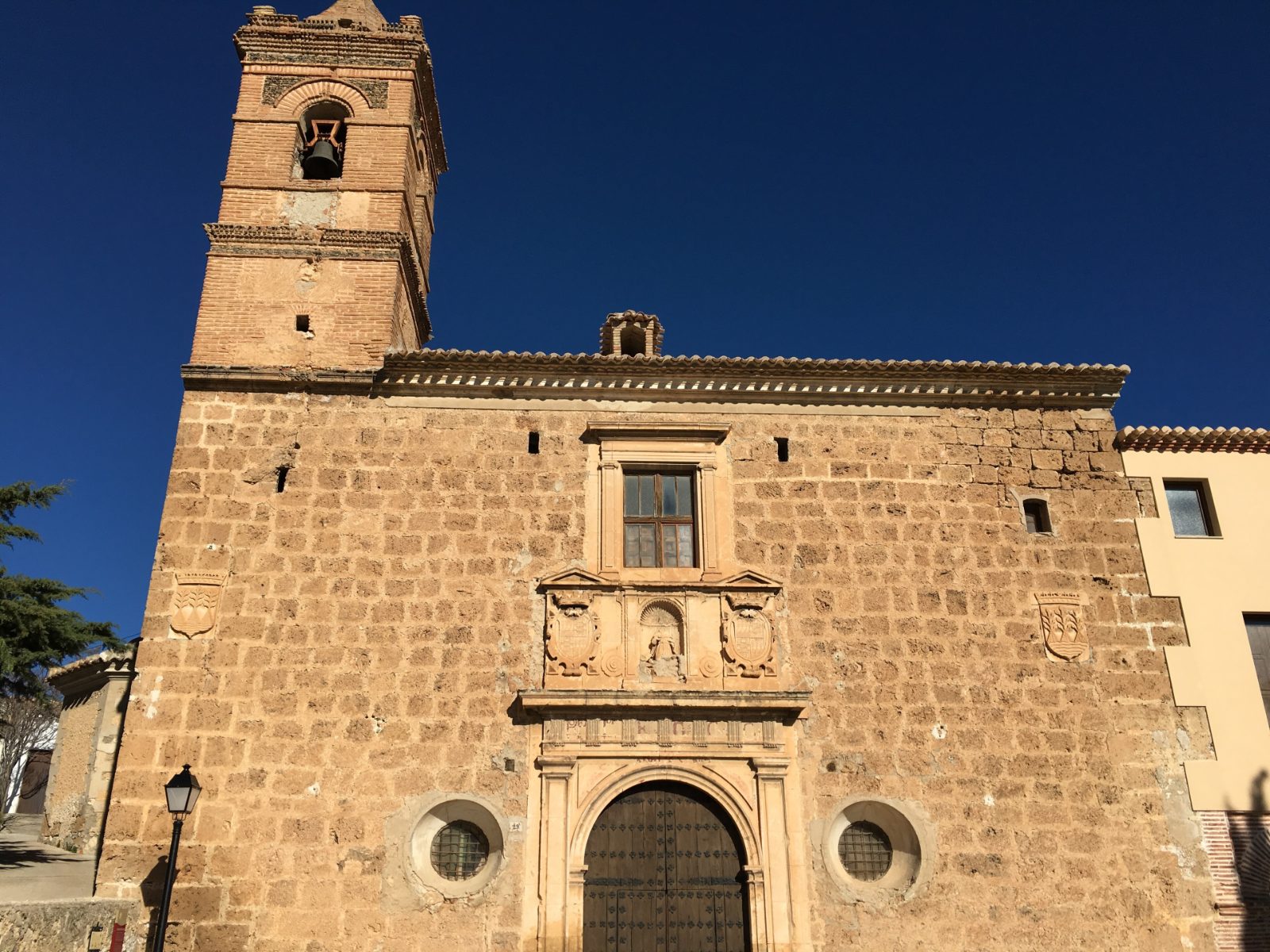
1577 hermitage commissioned by doña Francisca and doña Mencía Fajardo, sisters of Vélez’s 3rd Marquis; family funerary chapel, home to the town’s first Franciscans and the Escuela de Cristo for over two centuries. Façade: coats of arms, inscription. Since 2006, art gallery and studio, always visible outside.
 Photo: Schumi4ever · CC BY-SA 4.0 · Wikimedia Commons
Posidonia, a marine plant unique to the Mediterranean, forms a meadow off Roquetas de Mar and Aguadulce, with a shore-parallel barrier that nearly reaches the surface in places—one of few left. It shelters hundreds of species. A Natural Monument; best seen with mask and snorkel. Don’t uproot or step on it.
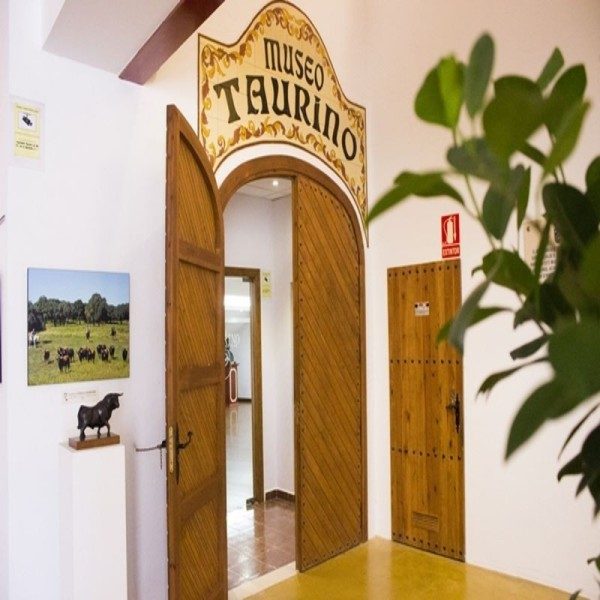
Open today · 10:00-13:00 and 18:00-21:00
Bullfighting centre in Roquetas bullring, opened 2002. Five rooms cover its history, town hall and peña taurina pieces (suits of lights of El Juli, Finito de Córdoba and Jesús de Almería), bulls in field and arena, and audiovisual displays. Admission has been free; check hours (950 325 274).
 Photo: MdeVicente · CC0 · Wikimedia Commons
Open today · 9:00-14:00
Centre beside Adra's tourist office explores the town's ties to the sea through a 3D audiovisual, original artefacts and displays on the fish market, canneries, cuisine and seafaring traditions. An interactive panel shows how to make dishes such as atascaburras. Open Monday to Saturday mornings.
 Photo: Eduardo Milla · CC BY-SA 4.0 · Wikimedia Commons
Neo-Gothic/Neo-Mudéjar church built 1863–88, designed by provincial architect Martín Baldó after the 16th-century church’s ceiling collapsed in 1859. It has a Latin-cross plan, 3 naves, crossing dome, Neo-Mudéjar bell tower by the façade, and a pre-Civil War image of St John the Evangelist.
 Photo: Carlooscc · CC BY-SA 4.0 · Wikimedia Commons
Open today · 11:00-14:00 and 17:00-20:00
Art centre in Olula del Río bringing together the Casa Ibáñez Museum, with one of Andalusia’s largest art collections and works by Goya, Sorolla, Zuloaga, Antonio López and Andrés García Ibáñez; the photography museum dedicated to Carlos Pérez Siquier, with his La Chanca and La Playa series; and Antonio López’s 8-metre marble sculpture “Mujer del Almanzora”. Free entry; book guided tours by phone.
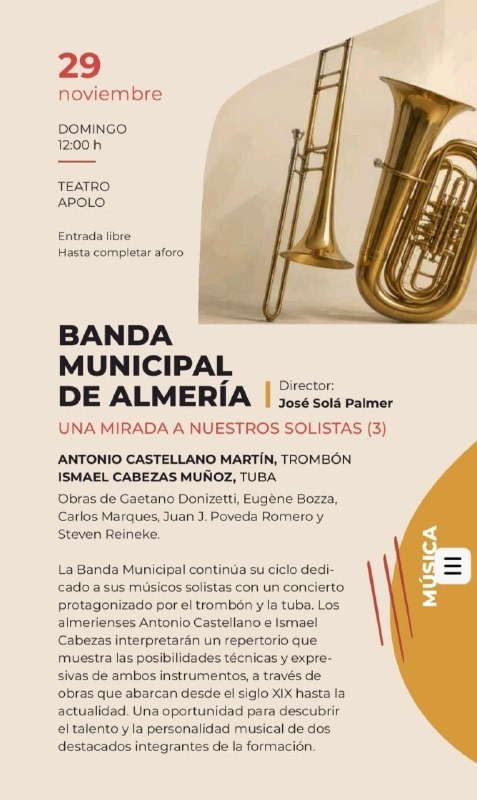
The Almería Municipal Band presents a new installment in its “A Look at Our Soloists” series, with the trombone and tuba taking center stage. An opportunity to enjoy these instruments in concert.
 Photo: Ismael Olea · CC BY-SA 2.0 · Wikimedia Commons
Open today · 10:30-13:30 and 18:00-21:00
Home to the Almería Art Museum, this municipal museum is dedicated to Almerian art from 1880 to 1970, mainly painting and sculpture. The other venue, Espacio 2, covers art from 1980 to the present. Admission is free.
 Photo: Olea · CC BY 4.0 · Wikimedia Commons
Closed today · opens on Friday
The house where poet José Ángel Valente (1929–2000) spent the last fifteen years of his life, now one of Almería’s municipal museums: a journey through his life and poetry, and his relationship with the city’s light and the other arts. Admission is free.
 Photo: Museo de Almeria · CC BY-SA 3.0 · Wikimedia Commons
Open today · 9:00-21:00
Almería province’s main archaeological museum is on Carretera de Ronda. Founded in 1933 with Luis Siret’s collection, it moved to its own bright building in 2006. Its exhibits span prehistoric cultures Los Millares and El Argar, Roman and Islamic Almería, and finds from Villaricos, Fuente Álamo and Adra. A great rainy-day visit.
 Photo: Ancepicris · CC BY-SA 3.0 · Wikimedia Commons
Open today · 10:00-14:00 and 17:00-20:00
Vera Town Hall on Plaza Mayor is a two-storey historicist building with an ashlar façade, the city's leading civic building. It houses the Municipal History Museum's traditional trades collection and Historical Archive documents from 1486, including the Catholic Monarchs' capture of the city. Check hours with the town hall before visiting.
 Photo: ANE · CC BY 3.0 · Wikimedia Commons
Open today · 9:00-18:00
The Alcazaba, the castle and the walls of Cerro de San Cristóbal form a monument of great archaeological importance. Their almost thousand-year history reveals the evolution of civil and military architecture in Al-Andalus.
 Photo: JamesNarmer · CC BY-SA 4.0 · Wikimedia Commons
Open today · 10:30-13:30
An Andalusian hydraulic engineering project, commissioned in the 11th century by Jairán, king of the Taifa of Almería.
 Photo: Ismael Olea · CC BY 4.0 · Wikimedia Commons
Discover the castle built as a coastal defense and the origin of the town of Carboneras. Explore its parade ground, towers, and entrance portal bearing the coat of arms of the Marqués del Carpio.
 Photo: Photograph by Mike Peel ( www.mikepeel.net ). · CC BY-SA 4.0 · Wikimedia Commons
Open today · 8:15-15:00
Almería’s first food market, and for a long time the city’s largest, on Rambla Obispo Orberá, next to Puerta de Purchena.
 Photo: Ismael Olea / Ismael Olea · CC BY 4.0 · Wikimedia Commons
Closed today · opens on Friday
Municipal museum on life and work in Almería's Vega in the early 20th century, with three rooms: farmhouse, Vega and Bajo Andarax. See household items, tools, carts, photos and period clothes, many donated by local farming families, plus traditional building recreations. Free entry.
 Photo: Juan José Rodríguez · Dominio público · Wikimedia Commons
Closed today · opens on Friday
Historic fortification in Vélez-Blanco (Almería).
 Photo: Jose Mª Yuste, de la fotografía ( Tuor123 ). Miguel Salvatierra Cuenca, autor de la ilustración · CC BY-SA 4.0 · Wikimedia Commons
Closed today · opens on Wednesday
Archaeological site in Santa Fe de Mondújar (Almería).
 Photo: Ismael Olea · CC BY 4.0 · Wikimedia Commons
Closed today · opens on Wednesday
A museum space run by the Regional Government of Andalusia, with the only Roman remains preserved in the city, a fish-salting factory, and one of the gates in the Islamic wall that enclosed Almería to the south.
 Photo: Ismael Olea · CC BY 4.0 · Wikimedia Commons
Open today · 10:30-13:30 and 17:00-20:00
A museum dedicated to the Spanish guitar and other instruments, and to Almería luthier Antonio de Torres, considered the father of the guitar. It houses three guitars made by him.
 Photo: ANE · CC BY 3.0 · Wikimedia Commons
Open today · 15:00-18:00
Historic fortification in El Ejido (Almería).
 Photo: Carlooscc · CC BY-SA 4.0 · Wikimedia Commons
Open today · 11:00-14:00 and 17:00-19:00
Museo Casa Ibáñez is a contemporary art museum in the municipality of Olula del Río (Almería). It was inaugurated on the day. The buildings were constructed between 1996 and 2004 by Andrés García Ibáñez, the museum’s greatest exponent.
 Photo: Ismael Olea · CC BY 4.0 · Wikimedia Commons
In the basement of Casa de la Tercia, inside the castle, the museum explains El Argar culture, one of prehistory’s great cultures: its settlements, daily life, trades, beliefs about death, and objects from recent excavations at Fuente Álamo. The visit lasts about 45 minutes.
 Photo: ANESTRELLA · CC BY-SA 4.0 · Wikimedia Commons
Closed today · opens on Saturday
Almería’s “uva del barco” table grapes, grown on trellises and barrel-exported worldwide for nearly two centuries. Temporarily shown at the Municipal Theatre, it restores dozens of old varieties in a vineyard. Terque Museums’ guided tour: 12:00, about two hours; confirm days and price: 659 237 990.
 Photo: Juan José Rodríguez · Public domain · Wikimedia Commons
Closed today · opens on Saturday
14th-century Nasrid castle tower on the hill above Huércal-Overa, once on the Granada–Castile border. Restored in 2010, it has a small museum. Guided visits: €0.50. Sep 15–Jun 30: Sat–Sun 10:30–13:30, 16:00–18:30; Jul 1–Sep 14: Mon–Thu 19:00–21:30. Tourist office: 678 798 688.
 Photo: Carmangel · CC BY-SA 4.0 · Wikimedia Commons
Open today · 10:00-14:00 and 17:00-19:00
Centre about Macael marble: quarry history, how stone was extracted, worked and transported, and who made a living from it; exhibitions, photos and a 4D multisensory experience. Workshop to carve a white marble indalo and assemble two mosaics. Self-guided: €3 (45 min); with experiences: €13 (1.5 hours); family prices.
 Photo: Tyk · CC BY-SA 4.0 · Wikimedia Commons
Open today · 10:00-14:00 and 16:30-20:30
Opened in 2024 in the former Provincial Hospital of Santa María Magdalena, this museum showcases Spanish realist painting and sculpture from the late 19th century to today, with over 200 works. €5; free Sundays for EU citizens and groups including under-16s, over-65s, students and teachers.
 Photo: Menesteo · CC BY-SA 3.0 · Wikimedia Commons
Open today · 9:30-13:30 and 16:00-20:00
Historic fortification in Garrucha (Almería). It is protected as heritage.
 Photo: Nachosan · CC BY-SA 3.0 · Wikimedia Commons
 Photo: Carlosjvives · CC BY-SA 4.0 · Wikimedia Commons
Open today · 10:30-13:30 and 17:00-20:00
Cultural center dedicated to Almería’s role in international cinema as a natural film set for movies, series, commercials and music videos.
 Photo: Olea · CC BY 4.0 · Wikimedia Commons
 Photo: PabloRivas · CC BY-SA 4.0 · Wikimedia Commons
Small beach about 150 m long on the border with Murcia, between Pulpí and Águilas, with calm waters and natural pools. Its name comes from a 20th-century esparto grass soaking pit.
 Photo: Eduardo Milla · CC BY-SA 4.0 · Wikimedia Commons
It’s a viewpoint in Viator, Almería. A place to stop and take in the surroundings.
 Photo: MateoBovet · CC BY-SA 4.0 · Wikimedia Commons
A beach in Almería city. It’s a great option for enjoying the coastal surroundings.
 Photo: Eduardo Milla · CC BY-SA 4.0 · Wikimedia Commons
 Photo: Ismael Olea · CC BY 4.0 · Wikimedia Commons
Enjoy a day at this beach in the city of Almería. A plan to relax by the sea.
 Photo: Olea · CC BY 4.0 · Wikimedia Commons
A beach in the city of Almería. Ideal for enjoying the sea and spending some time outdoors.
 Photo: ANE · CC BY-SA 3.0 · Wikimedia Commons
Unspoilt dark-sand beach at the western end of the park, where, according to tradition, the Virgen del Mar, patron saint of Almería, appeared in 1502. It has a hermitage and a tower with views across the entire bay.
 Photo: Eduardo Milla · CC BY-SA 4.0 · Wikimedia Commons
A quiet beach with coarse sand and gravel, a fully protected area of the park due to its fossil dune, around 250,000 years old. It is reached via the road from Cabo de Gata to Retamar.
 Photo: Eduardo Milla · CC BY-SA 4.0 · Wikimedia Commons
An undeveloped beach between El Alquián and Costacabana, at the far end of Almería Bay, with dunes and a small grove of tamarisk trees. It is home to a 16th-century coastal tower and a Civil War shelter.
 Photo: Eduardo Milla · CC BY-SA 4.0 · Wikimedia Commons
A quiet 1.7 km beach of coarse sand and pebbles between the Rambla de Morales and San Miguel de Cabo de Gata. It has no facilities; access is via the road from Cabo de Gata to Retamar.
 Photo: MdeVicente · Dominio público · Wikimedia Commons
 Photo: Urci dream · CC BY-SA 4.0 · Wikimedia Commons
A small, picturesque pebble cove in the municipality of Níjar, within Cabo de Gata-Níjar Natural Park (Almería), very close to the town of San José.
Photo: MateoBovet · CC BY-SA 4.0 · Wikimedia CommonsSan Telmo Beach is a lovely sandy cove between cliffs, just west of Almería city. Under 100 metres long, it is quiet year-round due to difficult access. Park at the nearby Bayana service area and walk along the road towards Aguadulce. It lies below a steep, somewhat dangerous slope.
 Photo: César J. Pollo · CC BY-SA 4.0 · Wikimedia Commons
A wild beach with dunes and fine sand, about 3 km from San José, in a valley with no buildings or paved roads. It takes its name from the Genoese fleet that landed here in 1147.
 Photo: Martyn Thompson ( Cabo de Gata Photography ) · CC BY-SA 2.5 · Wikimedia Commons
A beach in Níjar, in the Cabo de Gata-Níjar Natural Park. It is listed among Spain’s nudist beaches.
 Photo: Eduardo Milla · CC BY-SA 4.0 · Wikimedia Commons
An urban beach with dark sand in the village of Cabo de Gata, within the natural park. Like the rest of this stretch of coast, it is usually windy, with moderate waves.
 Photo: Oliver from München · CC BY-SA 2.0 · Wikimedia Commons
A cove in Níjar, in Cabo de Gata-Níjar Natural Park. It is listed among Spain’s nudist beaches.
 Photo: Solamente Itan from Andalucía - España - U.E. · CC BY 2.0 · Wikimedia Commons
 Photo: Nikater · CC BY-SA 3.0 · Wikimedia Commons
Beach about 4 km from San José, known for its dune and the Peineta, a ridge of volcanic rock. The seagull scene from “Indiana Jones and the Last Crusade” was filmed here.
 Photo: Triedros · CC BY-SA 4.0 · Wikimedia Commons
Playa de Los Escullos, in Níjar, within Cabo de Gata-Níjar Natural Park.
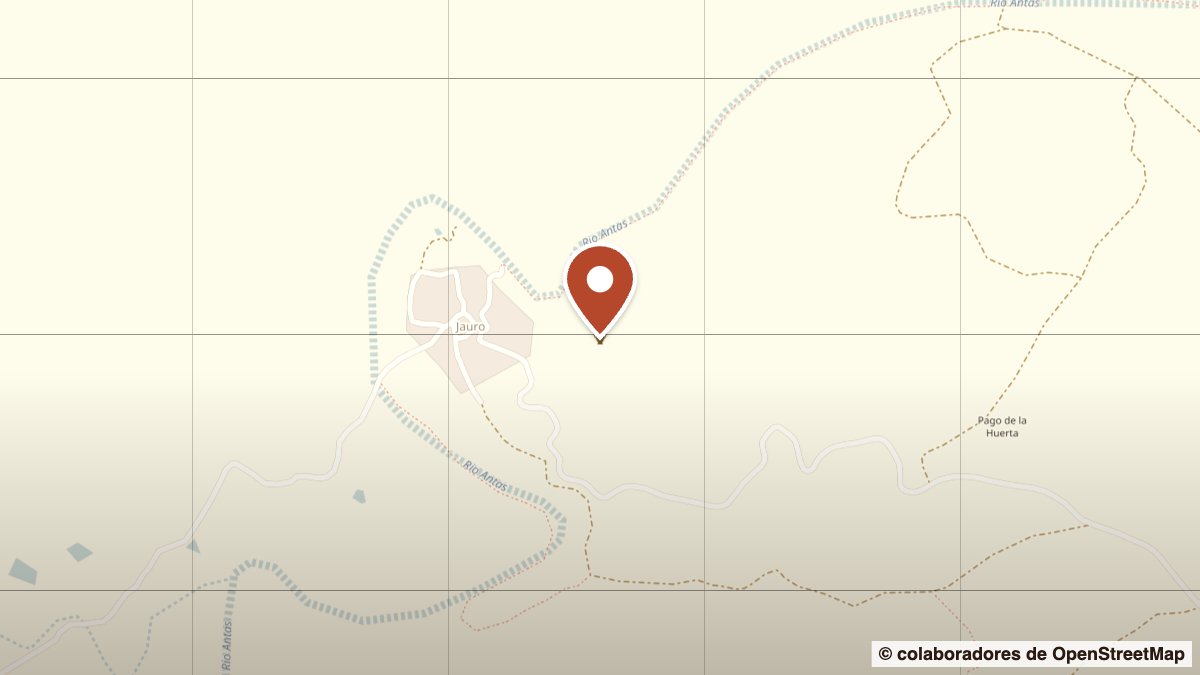 Mapa © colaboradores de OpenStreetMap
A fortified Bronze Age settlement of the Argaric culture, on a plateau above the Antas River. It was one of the archaeological sites studied by Luis Siret and is protected as an archaeological zone (Site of Cultural Interest). A section of wall about 90 metres long remains.
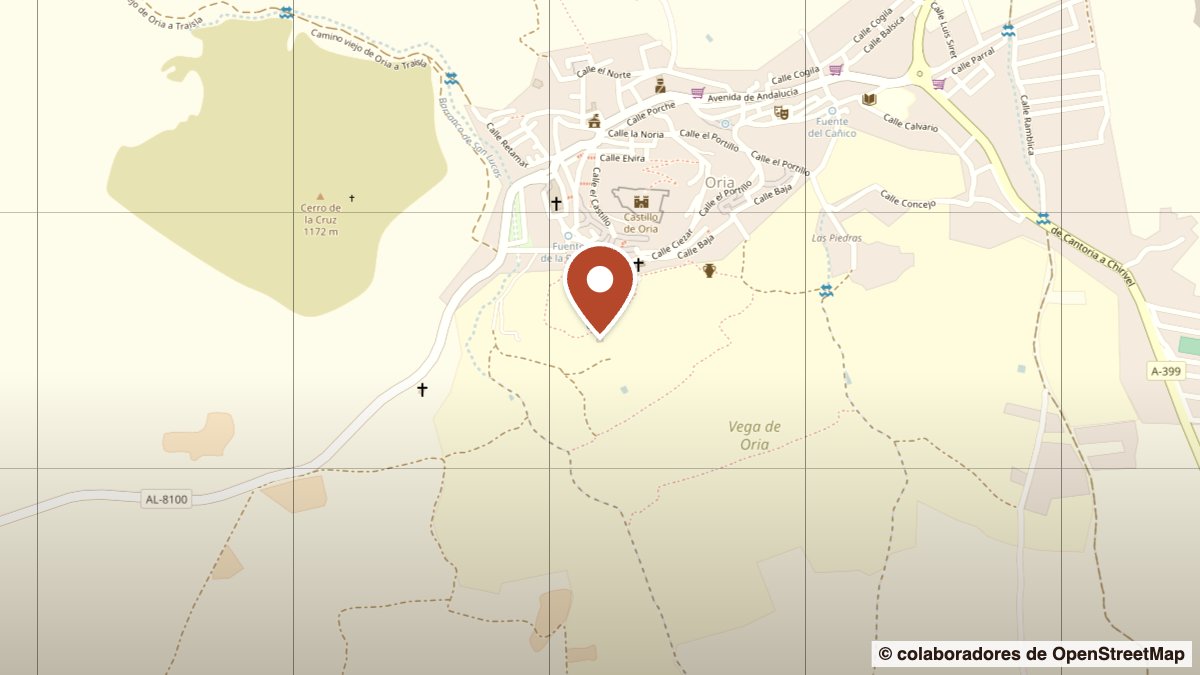 Mapa © colaboradores de OpenStreetMap
One of the province’s most remarkable watermills, with a red-brick façade alternating with whitewashed masonry panels, a construction tradition with Mudéjar roots, and an impressive millrace tower fed by water through a two-arch aqueduct, an 18th-century engineering feat.
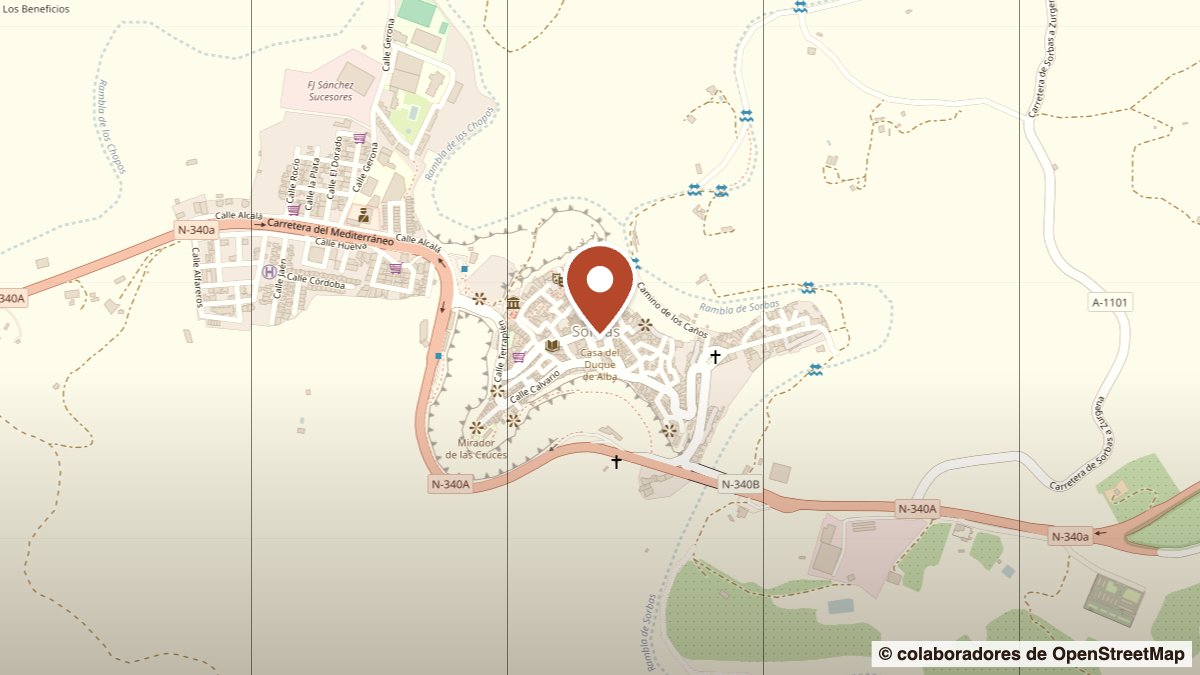 Mapa © colaboradores de OpenStreetMap
A stately home on Plaza de la Constitución, next to the town hall and Santa María Church. It belonged to the Dukes of Alba, lords of Sorbas and Lubrín, who used it as a summer residence. It has three floors, a red façade with classical lines and six balconies, and a central courtyard. It can be seen from the square; visits inside are not listed.
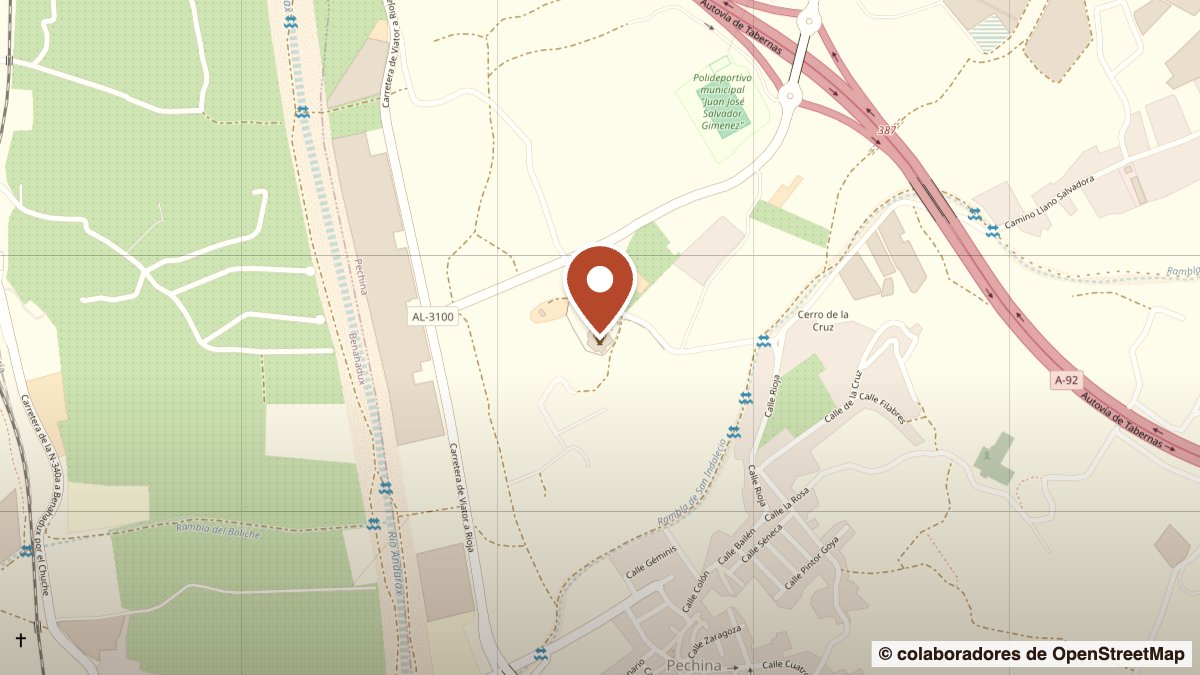 Mapa © colaboradores de OpenStreetMap
Bayyana suburb remains: a 9th–10th-century al-Andalus port until Almería (founded 955) took over. Excavations since the 1980s revealed streets, homes, pottery/glass workshops, a kiln and necropolis. Fenced; tours on set dates—check town hall (950 317 125). Centre recreates two houses.
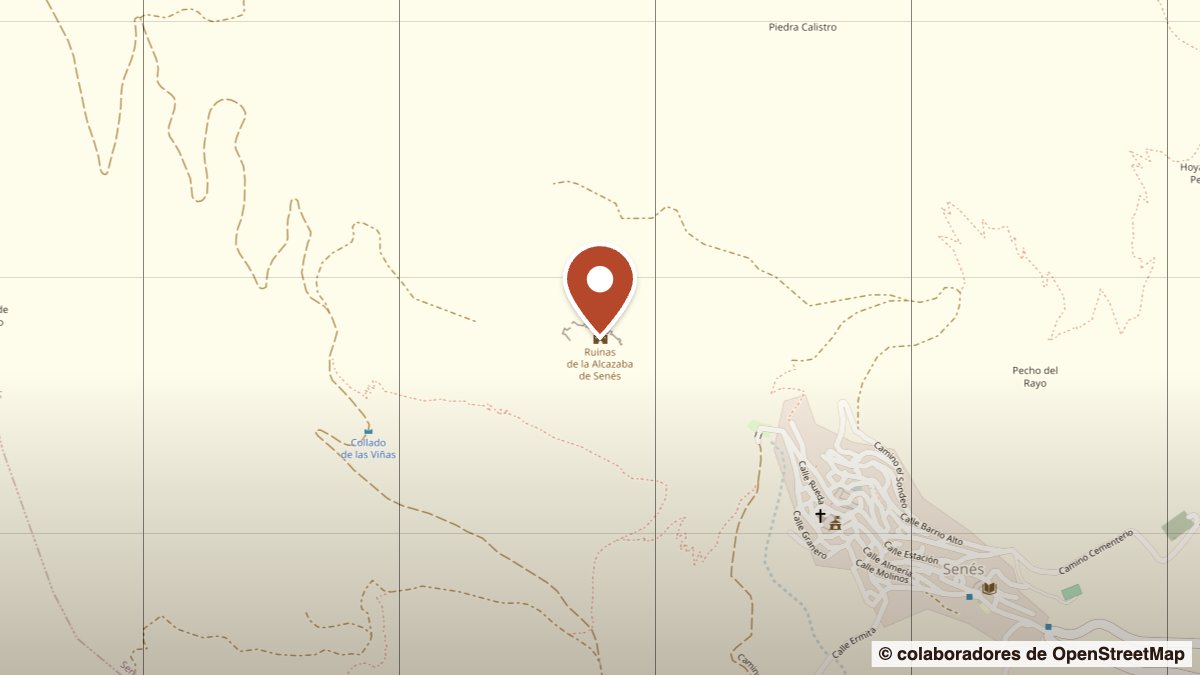 Mapa © colaboradores de OpenStreetMap
Ruins of a 12th-century Andalusi fortress, known to locals as “el Castillico,” on a hill northwest of the village. The elongated enclosure follows the terrain and preserves remains of around ten towers, most made of slate slabs, and a cistern. It is a Bien de Interés Cultural, though quite eroded. Access is on foot, and it can be viewed from outside at any time.
 Photo: MdeVicente · CC BY-SA 4.0 · Wikimedia Commons
Municipal centre in Tabernas, complementing a visit to Terrera Ventura settlement. After an audiovisual, rooms cover its Copper Age society, replicas of excavated finds, and Tabernas Desert geology, flora and fauna, with fossils. By appointment only; call the town hall (950 365 002).
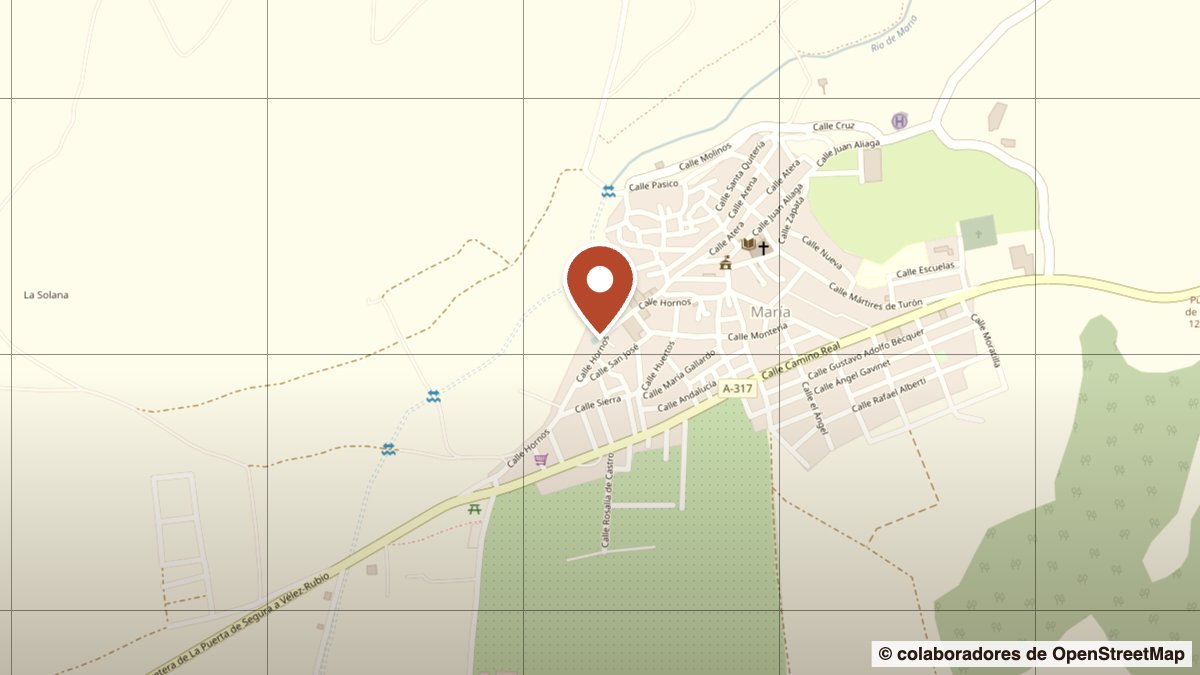 Mapa © colaboradores de OpenStreetMap
Traditional washhouse in María, set one metre below ground, with masonry walls supported by two large living poplar trees incorporated into the structure. A side staircase leads down to the long trough, with washing stones on both sides. A truly unique corner of local heritage.
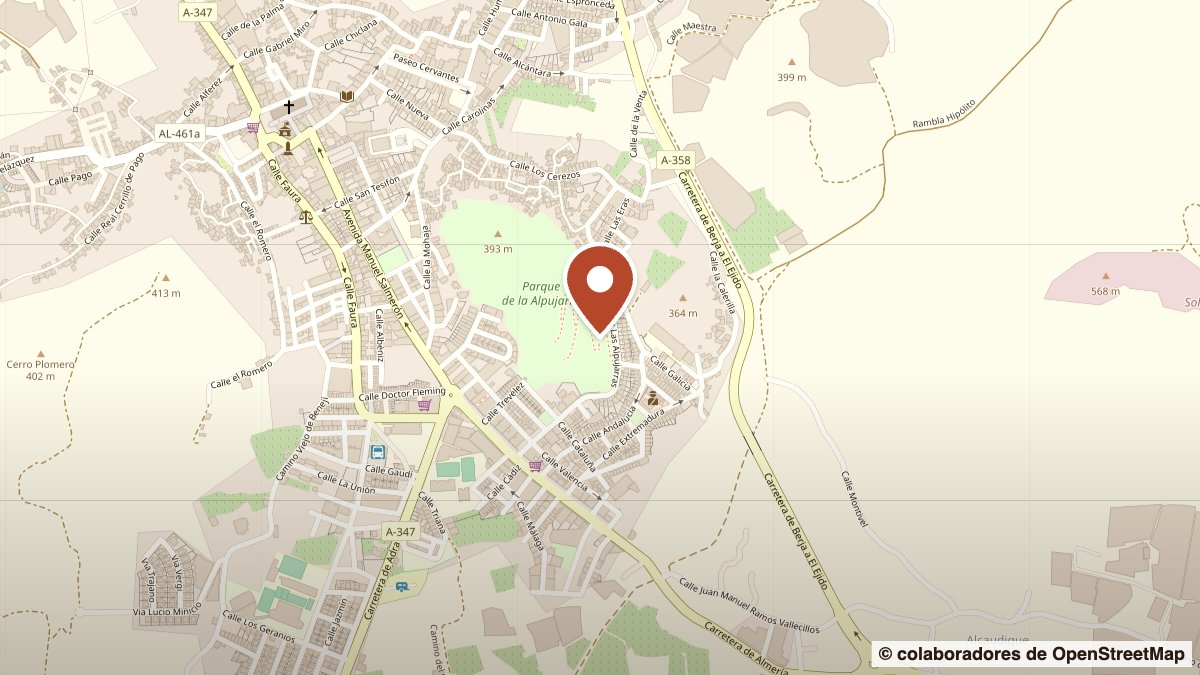 Mapa © colaboradores de OpenStreetMap
A park on San Roque hill in Berja, award-winning in a regional government competition: a spiral path climbs gently to the summit between dry-stone walls and dirt trails, blending into the landscape, with views over the town.
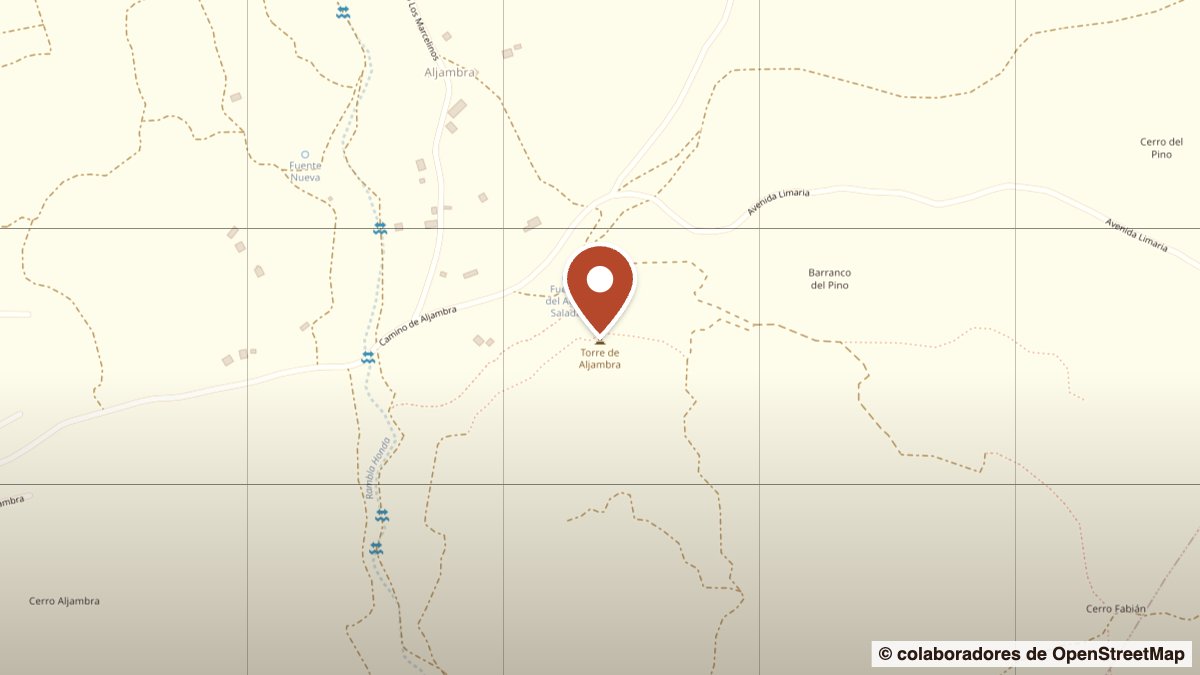 Mapa © colaboradores de OpenStreetMap
A 13th-century watchtower at the Aljambra estate in Albox, part of the defences of the Nasrid Kingdom of Granada and used to watch over the Almanzora Valley. It has a square floor plan and stands atop a hill. Today it is partly in ruins and can be seen from outside on a walk through the countryside.
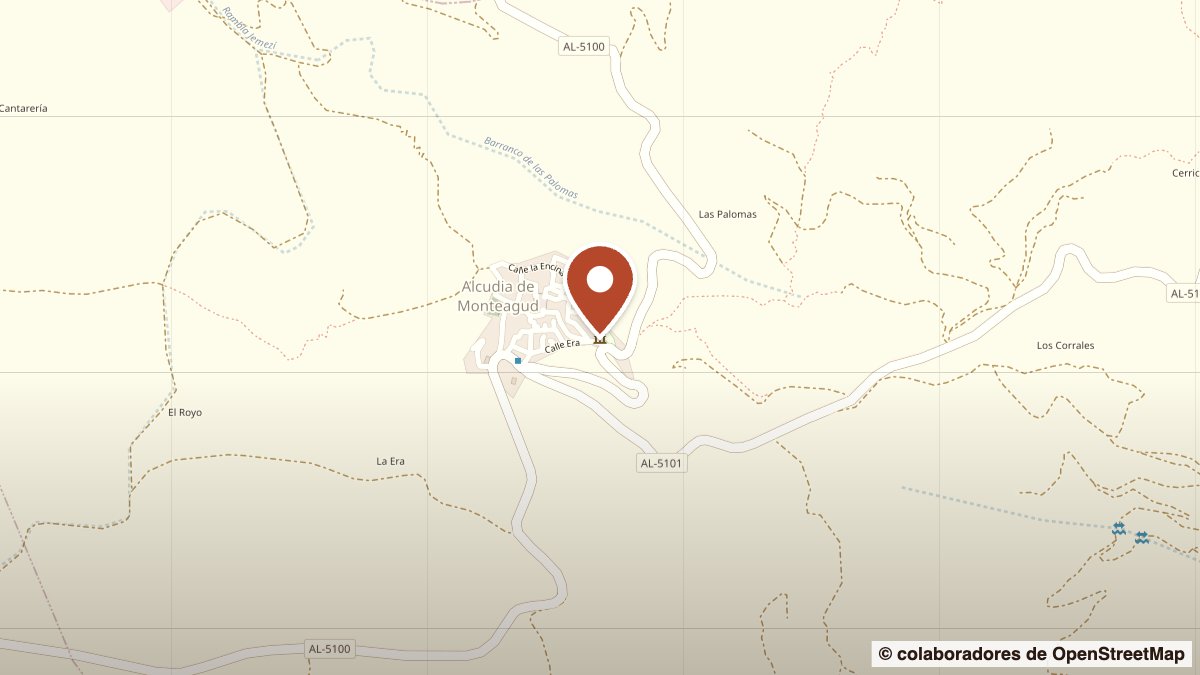 Mapa © colaboradores de OpenStreetMap
A small museum created by historian Juan García, showing how Almería’s climate, landscape, flora and fauna have changed over the past 12,000 years and how people have transformed them, from the Argaric culture to mining. Texts are in Spanish and English. There are no fixed opening hours: visits must be arranged in advance.
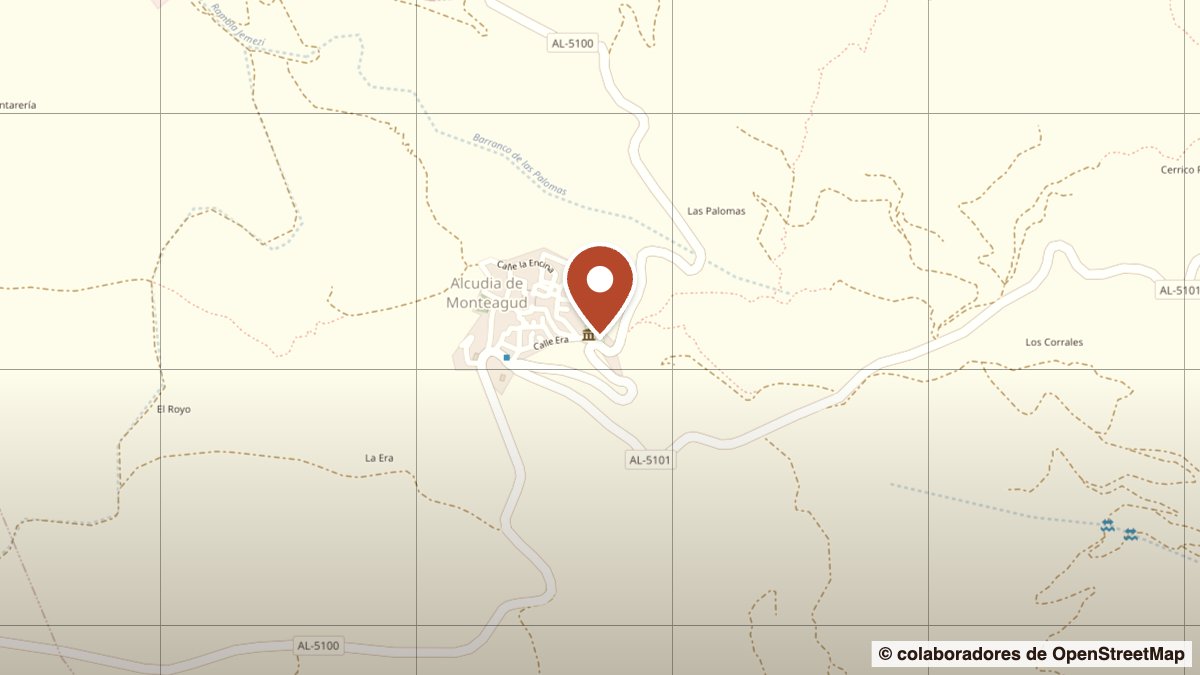 Mapa © colaboradores de OpenStreetMap
Outdoor park opened in 2025, dedicated to dry-stone construction, declared humanity’s intangible heritage. Replicas: hunting stands, shepherds’ shelters, waterwheel, pools, ovens and mine; QR-code panels and garden. Marked routes: dry stone (6.5 km) and water memory (3.5 km). By the Museum of Ecological History.
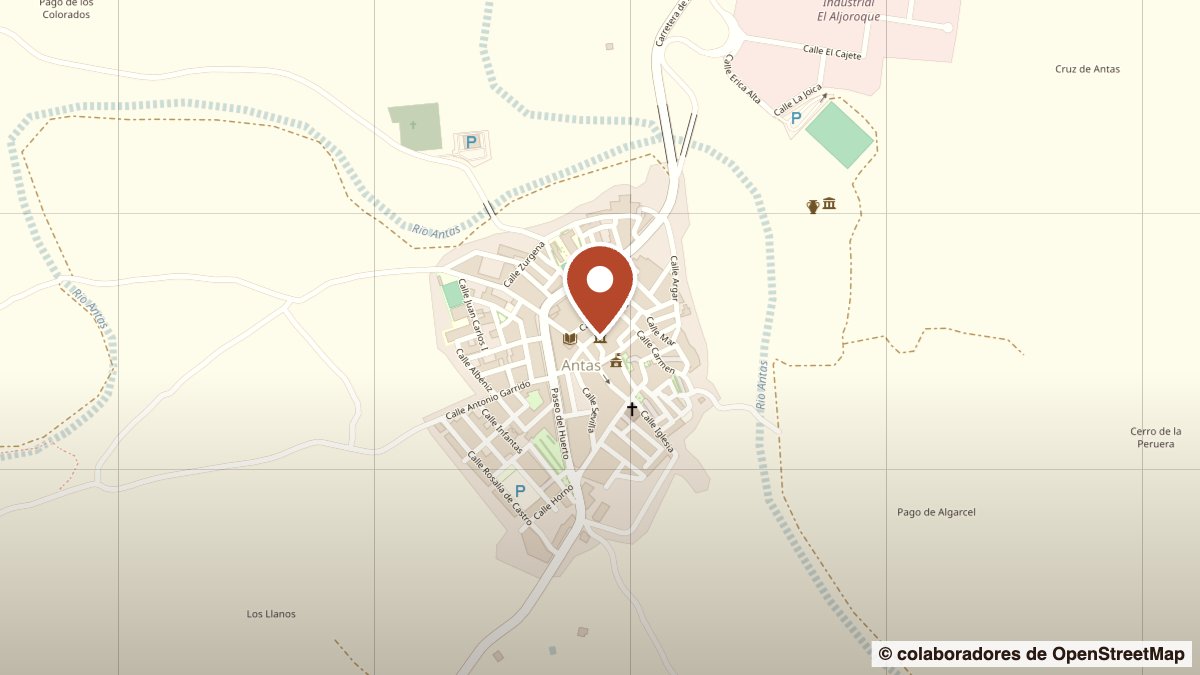 Mapa © colaboradores de OpenStreetMap
El Argar, a major Bronze Age culture in southeast Spain, had a key site in Antas. Since 2025, the center displays 3,000+ pieces from the council-bought archaeological collection, plus models, replicas and interactive resources on daily life, society and construction. For families and students.
 Photo: Ismael Olea · CC BY 4.0 · Wikimedia Commons
A 16th-century fortified tower, the only privately owned fortress tower preserved in the entire Alpujarra, protected as an Asset of Cultural Interest. The town council bought and restored it, and it now houses Berja’s tourist office and a small museum with original artifacts from the region’s 16th-century history.
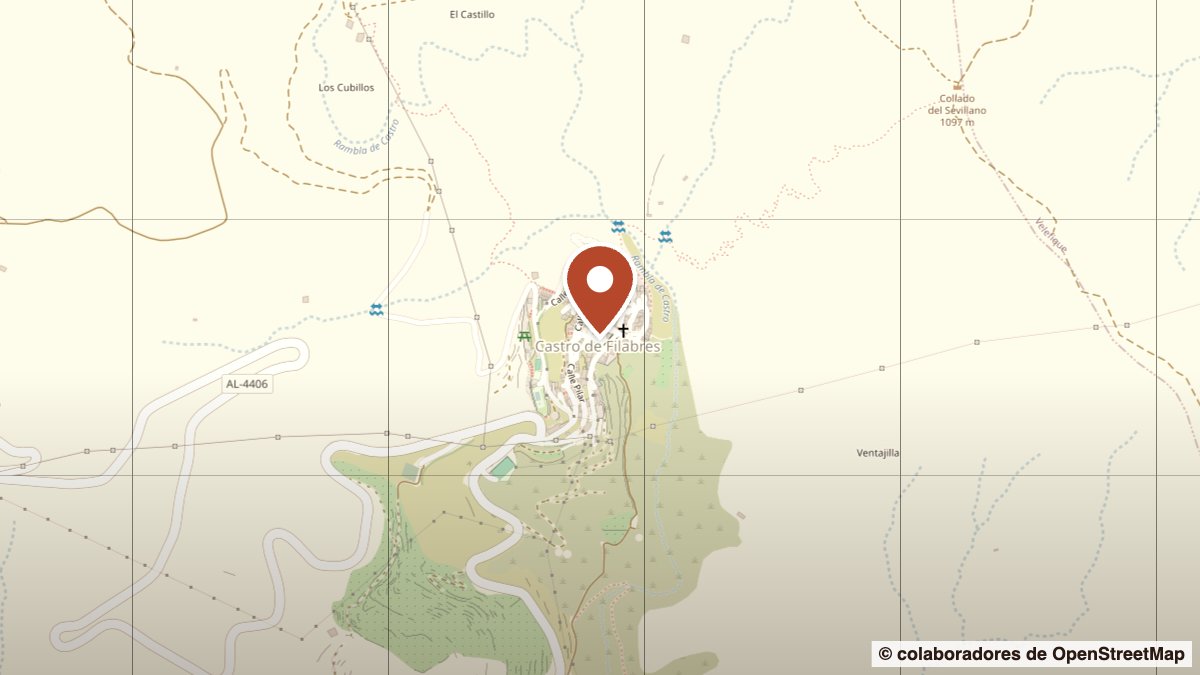 Mapa © colaboradores de OpenStreetMap
A centre exploring traditional architecture in the Sierra de los Filabres, with its launa- and slate-roofed houses in villages such as Castro de Filabres, Senés and Velefique: how they were built, why they kept out the cold and heat, and what life was like inside. It stands above an old water tank, and the basement contains a mine gallery excavated into the hillside.
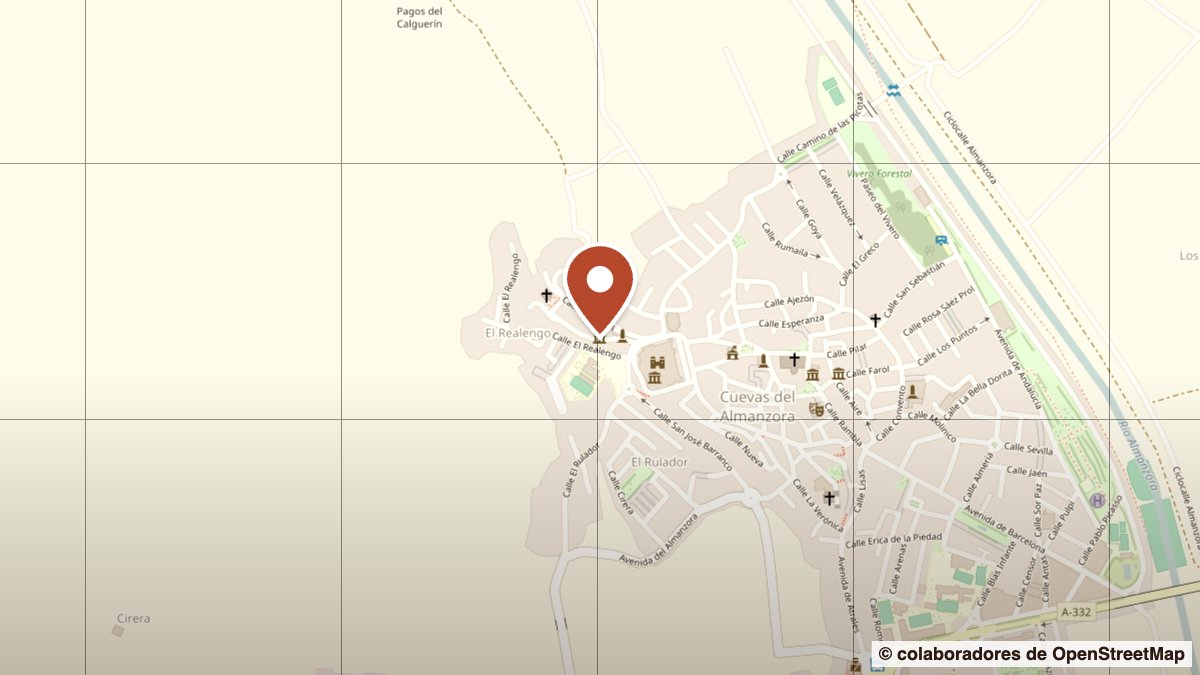 Mapa © colaboradores de OpenStreetMap
Open today · 10:00-13:30 and 16:00-19:00
A cave house in Cuevas del Almanzora converted into a museum showing how people lived in them in the mid-20th century, with furniture and household items from the period. In autumn and winter, it opens Tuesday to Saturday mornings and afternoons, and Sunday mornings; in summer, Tuesday to Saturday mornings.
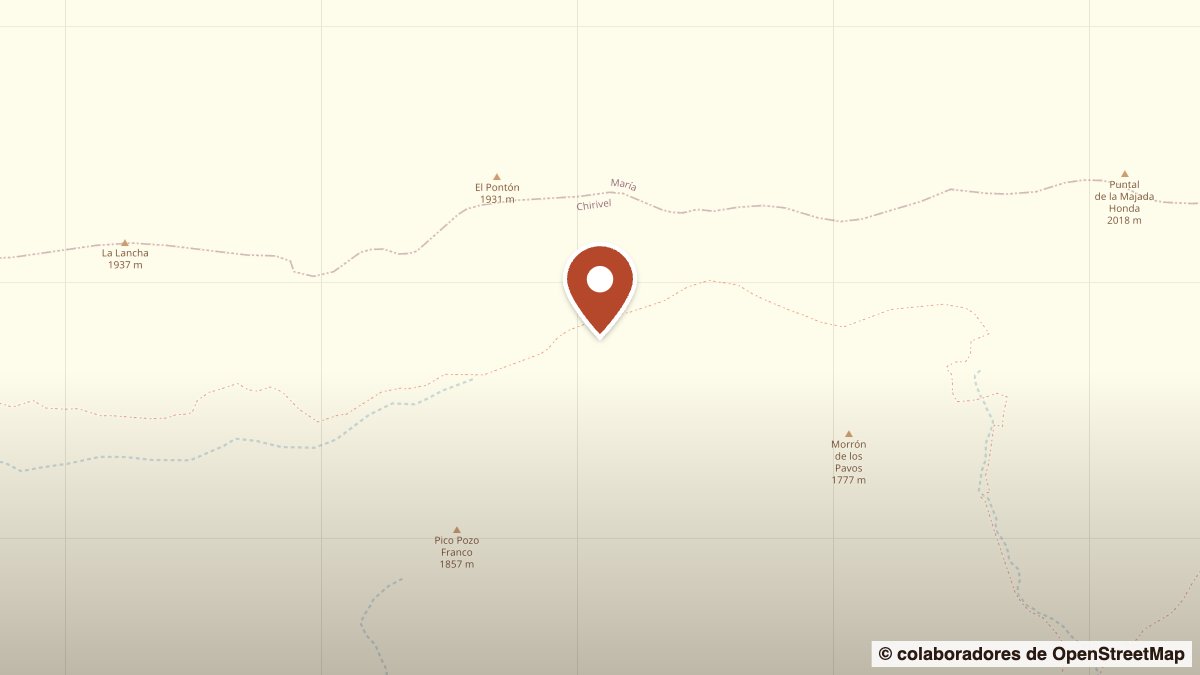 Mapa © colaboradores de OpenStreetMap
An approximately 1,000-year-old Spanish juniper, protected as a Natural Monument of Andalusia, in the municipality of Chirivel and within Sierra de María-Los Vélez Natural Park. It grows on a high plateau above 1,600 metres, with an enormous dark-green canopy and a thick, twisted trunk with exposed roots.
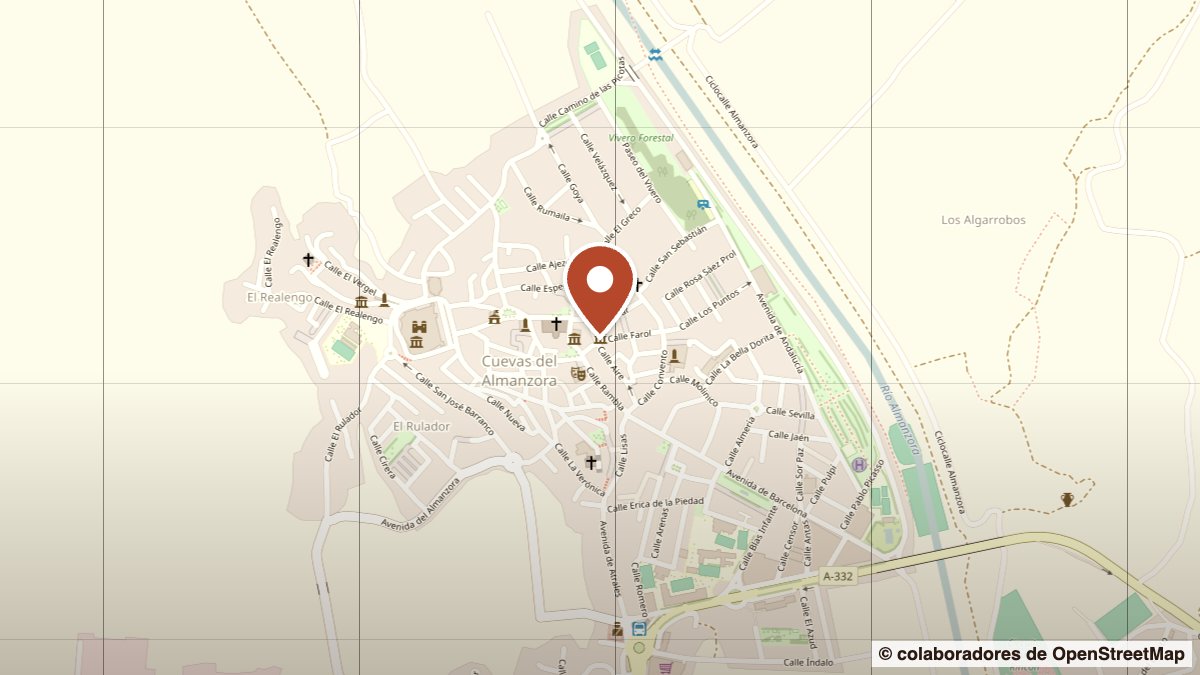 Mapa © colaboradores de OpenStreetMap
Closed today · opens on Wednesday
Emilio Sdun's artist's museum-workshop, with much of his work (artist's books, lithographs, linocuts and screen prints) and almost all his print shop: movable lead and wood type, composing sticks, rollers and paper. Open Wed, Thu and Sat, 11 am–1 pm; phone to arrange visits.
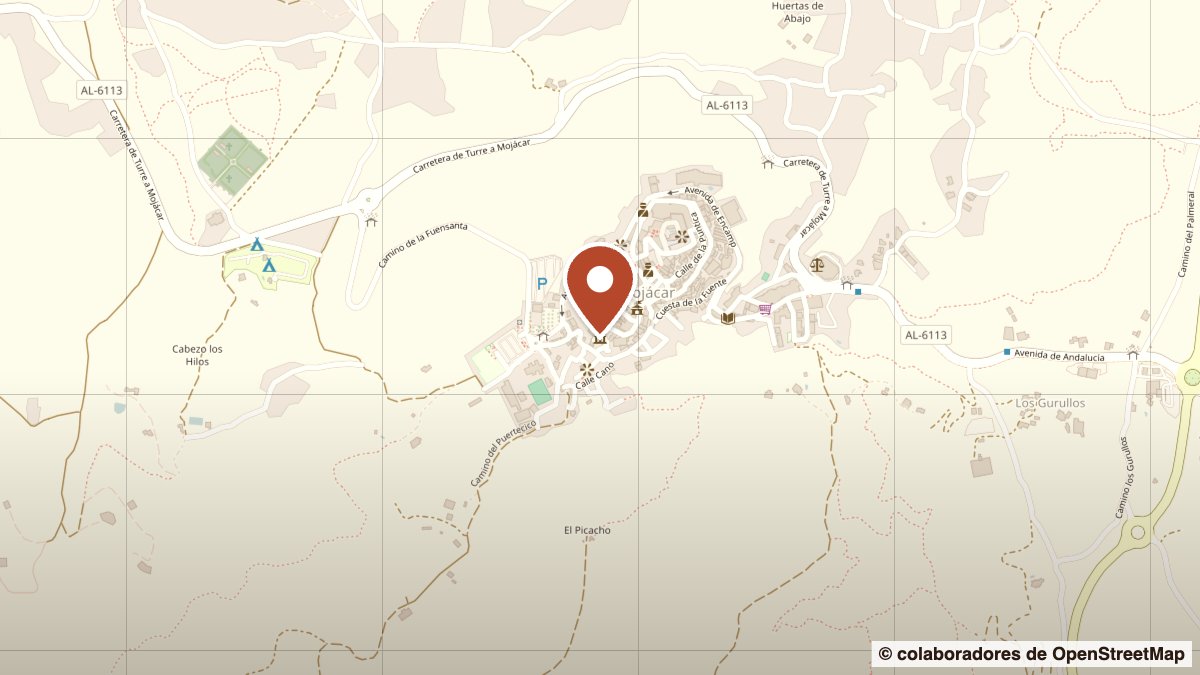 Mapa © colaboradores de OpenStreetMap
A house in Mojácar village recreating life in the first half of the 20th century, with more than 200 m² decorated with authentic period objects. It is named after a well-known local woman who sold tobacco and groceries. It can also open on request outside its regular hours.
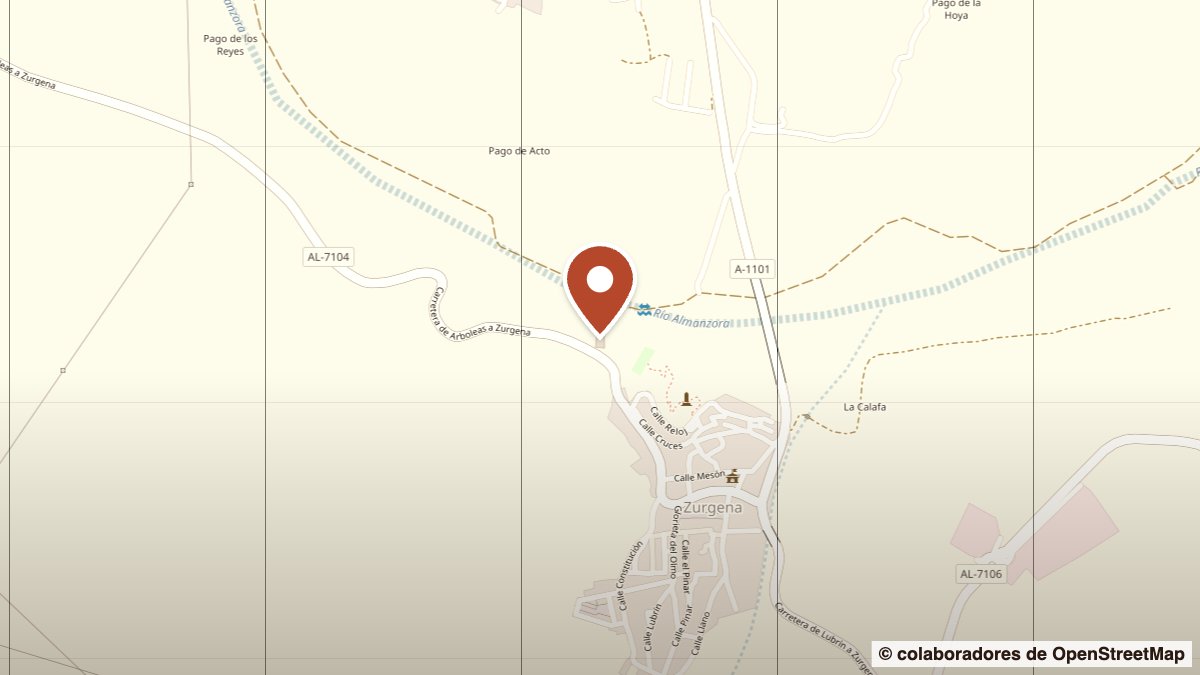 Mapa © colaboradores de OpenStreetMap
Restored flour mill on Calle Extramuros in Zurgena. A watermill stood here in the 16th century; in the 19th, it switched to steam, among the area's first, and to electricity in 1923, operating until 1967. It retains its four millstones. Ask at the town hall to see inside.
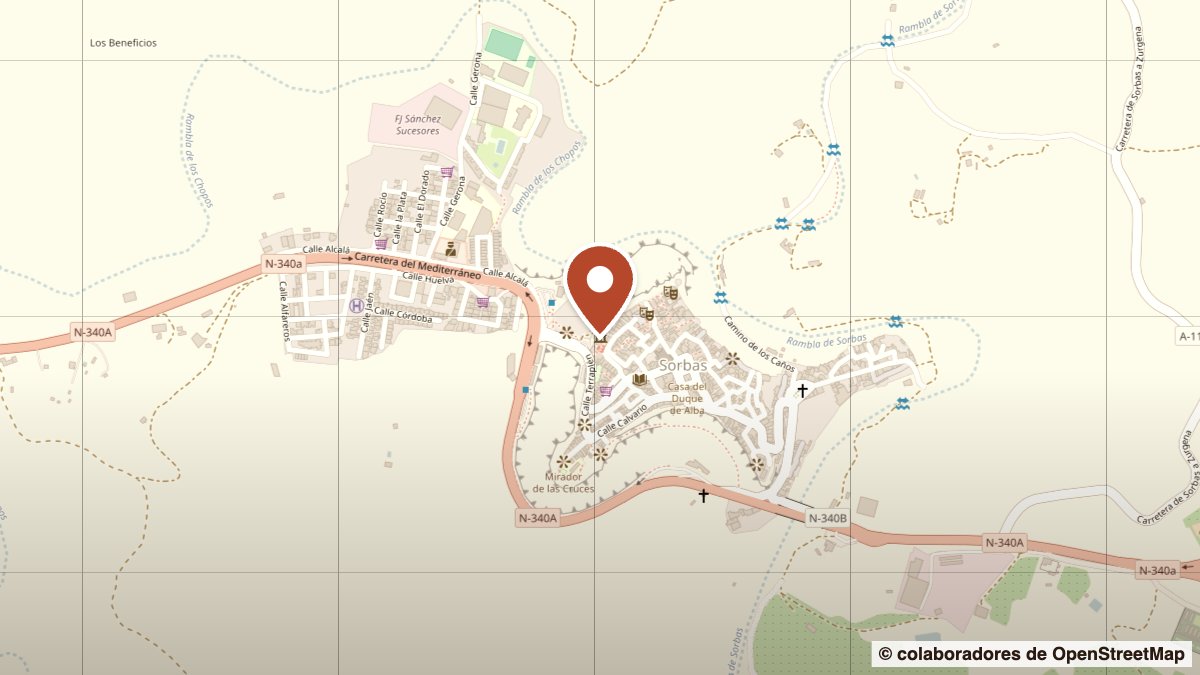 Mapa © colaboradores de OpenStreetMap
At the Karst en Yesos de Sorbas Natural Area, in town. It recreates a gypsum cave and formations, displays local cave finds, and covers the landscape, underground world and river, with a model, gypsum crystals, information point and tactile Braille guide. Call to check opening: 681 234 977.
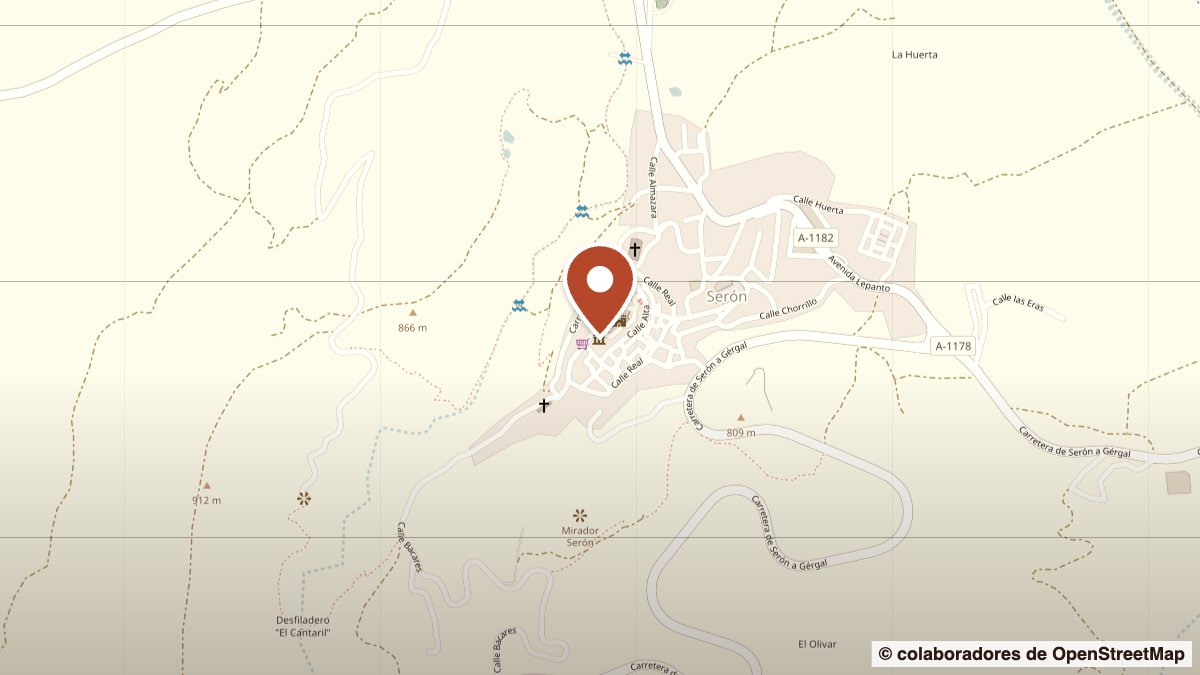 Mapa © colaboradores de OpenStreetMap
Municipal museum opened in 2020 by Serón Castle, dedicated to local historian Juan Torreblanca. Three floors trace local history from the Bronze Age and Las Menas mines to today, with panels, models and cases; highlight: 5,000-year-old Ídolo de Serón. Usually open weekend and holiday mornings, and Saturday afternoons; confirm: 607 188 455.

UD Almería hosts Real Sporting de Gijón at UD Almería Stadium in a match on matchday 16 of LaLiga Hypermotion 2026–2027. The match time is yet to be confirmed.
 Photo: ANESTRELLA · CC BY-SA 4.0 · Wikimedia Commons
An old cave house in the Cuevas de Terque district, one of the largest in the province, it opened as a cultural space in 2011. In its more than 150 m², it hosts an annual temporary exhibition featuring items from the Museums of Terque, as well as concerts and talks. From above, you can see the village and the Andarax Valley. It is the last stop on the guided tour of the Museums of Terque.
 Photo: Carlosjvives · CC BY-SA 4.0 · Wikimedia Commons
The Town Hall building of Alhama de Almería, protected as heritage, is in the town center. It is worth seeing from the outside on a stroll through the historic center of this town in the Alpujarra of Almería, known for its thermal waters.
 Photo: Aruiz · GFDL 1.2 · Wikimedia Commons
A huge mass of limestone with vertical sides, also called La Risca, that crowns the Sierra de Lúcar at an altitude of 1,722 metres. It has been protected as a Natural Monument of Andalusia since 2001 and overlooks the Almanzora Valley.
 Photo: Alastair Burt · CC BY 2.0 · Wikimedia Commons
A 14-hectare pine forest at an altitude of about 750 metres, 5 km from Berja via the AL-5401, on the slopes of the Sierra de Gádor. It has a recreation area with barbecues, tables, a swimming pool, children’s play areas and sports courts, and is the starting point for more than 30 km of marked trails through the sierra’s mining past. There’s a climbing area and a hang-gliding launch site nearby.
 Photo: Audalix · CC BY-SA 4.0 · Wikimedia Commons
Open today · all day
Nearly 50,000 ha of protected volcanic coast and mountains: natural park, biosphere reserve, Ramsar wetland and UNESCO geopark. Cliffs, coves, wild beaches, volcanic domes and flows, flamingo salt pans and white villages. Start at Las Amoladeras visitor centre; some beaches restricted in summer.
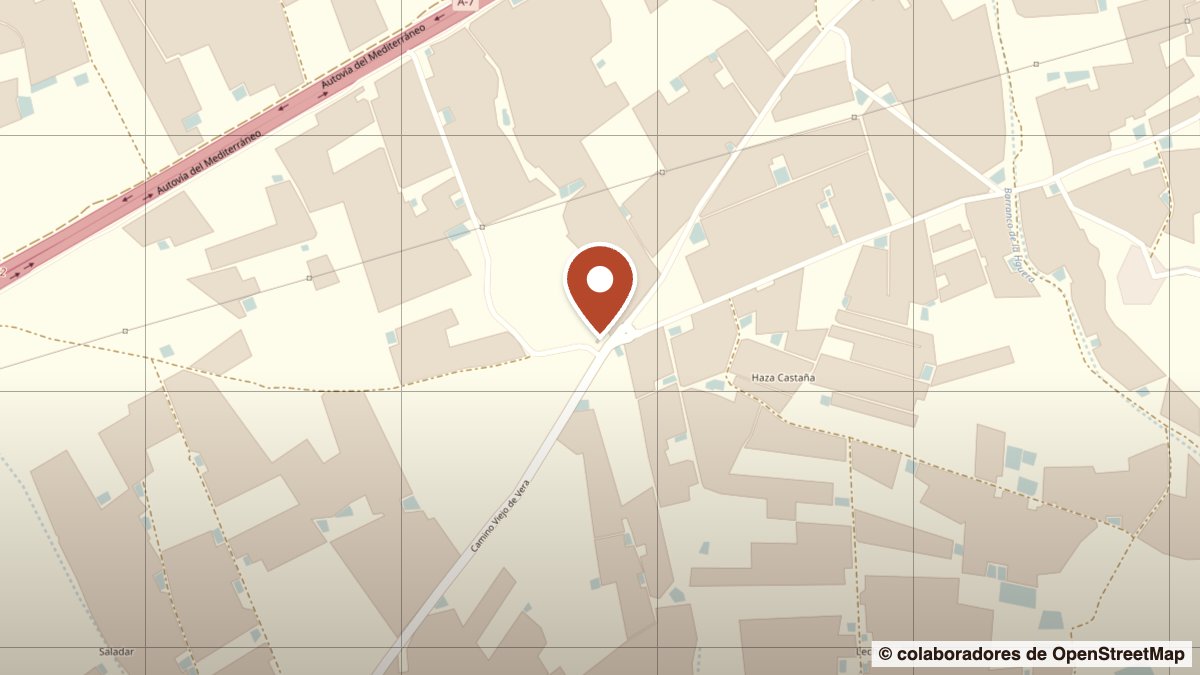 Mapa © colaboradores de OpenStreetMap
A 13th-century aljibe near Campohermoso, on an old livestock trail, where rainwater was collected for livestock. It is a structure about 23 metres long, with a barrel vault and three openings at the top for drawing water, and a façade of large stones with an arched entrance. It is protected as heritage.
 Photo: Urci dream · CC BY-SA 4.0 · Wikimedia Commons
A Copper Age necropolis beside the Morales riverbed, with exceptionally well-preserved circular tombs featuring passageways and corbelled domes. It was the cemetery of the settlement of El Tarajal, across the riverbed, and controlled the route between the territory of Los Millares and Cabo de Gata. An open-air archaeological site, viewed from outside.
 Photo: Eduardo Milla · CC BY-SA 4.0 · Wikimedia Commons
Tower of an old windmill at the entrance to Las Negras, in Cabo de Gata-Níjar Natural Park. It has lost its machinery and conical roof, but retains its masonry tower, wider at the bottom than at the top, and one of its wooden doors.
 Photo: Nachosan · CC BY-SA 4.0 · Wikimedia Commons
40 m wide, nearly 20 m high, this limestone shelter lies above the Moral stream, north of Vélez-Blanco. A major Andalusian Palaeolithic site, it has Solutrean layers (23,000–16,000 years) and paintings known since 1992, including a red-ochre horse. Natural Monument and World Heritage rock art. Track, ~1 km trail; visits via Vélez-Blanco Town Hall.
 Photo: MdeVicente · CC0 · Wikimedia Commons
Open today · 10:00-14:00 and 17:00-19:00
A 500 m² municipal museum by the port, dedicated to the sea and Roquetas’ fishing tradition. Its two floors feature exhibits on cetaceans with dolphin replicas, coastal birds, interactive games, and an aquarium recreating a Posidonia seagrass meadow. It hosts talks, family workshops, and tours throughout the year, many free with registration. It is accessible; check opening hours (663 999 958).
 Photo: dePoniente GDP Almería Occ. · CC BY 2.0 · Wikimedia Commons
Open today · 9:00-14:00
Municipal museum in the Trell family's 19th-century manor. Ground floor: Spanish and Almerian paintings by Picasso, Rafael Alberti, Antonio Saura and Federico Castellón; first: Adra's Albufera wetlands; second: Phoenician and Roman finds from Montecristo hill, site of ancient Abdera. Tourist information point.
 Photo: Urci dream · CC BY-SA 4.0 · Wikimedia Commons
An archaeological area protected as an Asset of Cultural Interest, comprising two neighboring sites: the Copper Age settlement of Las Pilas and the hill of Mojácar la Vieja, with Islamic remains of the population that moved there between the 9th and 13th centuries, where present-day Mojácar stands.
 Photo: Frank C. Müller, Baden-Baden · CC BY-SA 2.5 · Wikimedia Commons
Ordered by Jayrán, Almería’s first taifa king, in the 11th century to enclose the city, the wall descends from the Alcazaba, crosses La Hoya and climbs San Cristóbal hill, where the 1930 Sacred Heart stands. It can’t be walked, but is visible from the Alcazaba, La Hoya and Ramón Castilla Park.
 Photo: Olea · CC BY-SA 3.0 · Wikimedia Commons
Open today · 18:00-18:30
A temple in the Almedina neighborhood, built in the last quarter of the 17th century on the site of the city's former Great Mosque, which later became its first cathedral.
 Photo: Eduardo Milla · CC BY-SA 4.0 · Wikimedia Commons
The Casino Cultural, formerly Emilio Pérez’s mansion, is a historic building in the city of Almería. It has been listed as a historic-artistic monument since 1982 and as an asset of cultural interest.
 Photo: Josef Papi · CC BY-SA 4.0 · Wikimedia Commons
 Photo: Ismael Olea · CC BY 4.0 · Wikimedia Commons
A park and botanical garden covering around 14 hectares in Los Llanos de la Cañada, within the municipality of Almería.
 Photo: Ziegler175 · Dominio público · Wikimedia Commons
 Photo: Luis Rogelio HM · CC BY-SA 2.0 · Wikimedia Commons
 Photo: Ismael Olea · CC BY 4.0 · Wikimedia Commons
Open today · 10:30-13:00 and 17:00-20:00
Art gallery in Vera (Almería).
 Photo: Álvagv · CC BY-SA 3.0 · Wikimedia Commons
A stretch of Poeta Villaespesa Street, next to Teatro Cervantes, paying tribute to the most prominent actors and filmmakers who have filmed in the province, in the style of Hollywood’s.
 Photo: Wakinnebis · CC BY-SA 4.0 · Wikimedia Commons
 Photo: Sdominguez1905 · CC BY-SA 4.0 · Wikimedia Commons
 Photo: Photograph by Mike Peel ( www.mikepeel.net ). · CC BY-SA 4.0 · Wikimedia Commons
A bronze statue, about two metres tall, of Jairán, the first king of the Taifa of Almería, at the foot of the Alcazaba.
 Photo: ANESTRELLA · CC BY-SA 4.0 · Wikimedia Commons
Historic fortification in Cuevas del Almanzora (Almería).
 Photo: Ismael Olea · CC BY 4.0 · Wikimedia Commons
Closed today · opens on Wednesday
Museum in Fondón (Almería).
 Photo: Wikinaut · CC BY-SA 3.0 · Wikimedia Commons
A historic site in Níjar (Almería). It is protected as a heritage site.
 Photo: Olea · CC BY 4.0 · Wikimedia Commons
Archaeological site in Antas (Almería).
 Photo: ANESTRELLA · CC BY-SA 4.0 · Wikimedia Commons
 Photo: Ezequiel Campos Pareja · CC BY-SA 4.0 · Wikimedia Commons
Closed today · opens on Wednesday
Monument in Albox (Almería).
 Photo: Millars · CC BY-SA 4.0 · Wikimedia Commons
 Photo: Eduardo Milla · CC BY-SA 4.0 · Wikimedia Commons
Visit 13th-century baths with cold, warm and hot water rooms and remains of their heating system. It’s an opportunity to learn about the architecture and history of this medieval building.
 Photo: José María Ávalos Torres · CC BY-SA 3.0 · Wikimedia Commons
Discover this medieval fortress, with walls, towers and a cistern reused as a shelter. Its route reveals different construction phases and traces of earlier occupations, from the Bronze Age to Roman times.
 Photo: Graeme Maclean · CC BY 2.0 · Wikimedia Commons
 Photo: The original uploader was Odiseo959 at Spanish Wikipedia . · Dominio público · Wikimedia Commons
Discover a settlement with remains from the Copper Age, Bronze Age, and Punic and Roman periods. Its long sequence of occupation offers insight into the area’s archaeological history.
 Photo: Fernández Salinas, Victor · CC BY 4.0 · Wikimedia Commons
Discover this building with its historicist architecture, three-storey façade and notable decorative features. Its balconies, round windows, cornice and the Vélez coat of arms make it well worth a visit.
 Photo: María José Sáez Martínez · CC BY-SA 4.0 · Wikimedia Commons
A water conduit in a channel supported by arches of Roman construction, made with rubble masonry, mortar and brick. Worth visiting for its impressive workmanship and architectural value.
 Photo: Catibel · CC BY-SA 3.0 · Wikimedia Commons
Explore the archaeological remains of the ancient city of Bayra, including walls, homes, cisterns and an alcazaba. Discover a site with prehistoric, Roman and Islamic remains.
 Photo: Falconaumanni · CC BY-SA 3.0 · Wikimedia Commons
Coastal battery at Los Escullos, in Cabo de Gata Natural Park, on a cliff by the sea. It has been restored, and from the entrance you can see the inner courtyard and the ramp leading to the semicircular battery.
 Photo: Nick · CC BY 2.0 · Wikimedia Commons
 Photo: Chipitinbebi · CC BY-SA 4.0 · Wikimedia Commons
 Photo: Schumi4ever · CC BY-SA 4.0 · Wikimedia Commons
Discover this 2nd-century funerary mausoleum, transformed over time into a defensive tower and hermitage. Explore its architecture, vaults and traces of the different periods.
 Photo: MdeVicente · CC BY-SA 4.0 · Wikimedia Commons
Visit the ruins of a defensive outpost from the Morisco rebellion, with archaeological remains still to be studied. Discover a place that holds an important place in the region’s collective memory.
 Photo: Ismael Olea · CC BY-SA 2.0 · Wikimedia Commons
Open today · 10:00-14:00 and 17:30-20:30
A centre dedicated to photography, founded in 1992 at the Liceo Artístico y Literario de Almería. It hosts temporary photography exhibitions.
 Photo: Photograph: Frank C. Müller , Baden-Baden · CC BY-SA 2.5 · Wikimedia Commons
Discover this bourgeois residential building from the late 19th and early 20th centuries, with an ornamental façade inspired by classicism and modernism. The colorful butterflies decorating the rooftop turret give it its popular name.
 Photo: Varios autores, a instancias del Museo Comarcal Velezano Miguel Guirao · CC BY 4.0 · Wikimedia Commons
Open today · 10:00-14:00 and 17:00-19:00
Museum in Vélez-Rubio (Almería).
 Photo: Mario Borrasca · CC BY-SA 4.0 · Wikimedia Commons
 Photo: Ismael Olea · CC BY 4.0 · Wikimedia Commons
 Photo: Ismael Olea · CC BY 4.0 · Wikimedia Commons
Three-story building with a brick façade, galleries, and a clock with a bell. It stands out for its architecture and the commemorative plaque dating from 1792.
 Photo: Carlosjvives · CC BY 4.0 · Wikimedia Commons
 Photo: Pamelaestertorres · CC BY-SA 4.0 · Wikimedia Commons
 Photo: Ismael Olea · CC BY 2.0 · Wikimedia Commons
 Photo: ANESTRELLA · CC BY-SA 4.0 · Wikimedia Commons
Open today · 12:00-14:00
Museum in Terque (Almería).
 Photo: ANE · CC BY-SA 4.0 · Wikimedia Commons
Discover this 18th-century coastal castle, built of masonry and brick. Its distinctive horseshoe shape and defensive features offer a glimpse into its historic architecture.
 Photo: Ismael Olea · CC BY 4.0 · Wikimedia Commons
Explore the remains of a rectangular medieval castle, with towers, a cistern and a small parade ground. The elevated gallery makes the visit easier and offers insight into its history and restoration.
 Photo: José Guerrero Rodrríguez · CC BY-SA 3.0 · Wikimedia Commons
Discover this archaeological site, occupied from the Argaric Bronze Age through medieval times. Its fortified hill preserves buildings, burials and a cistern that reveal how its inhabitants evolved.
 Photo: Ismael Olea · CC BY 4.0 · Wikimedia Commons
Discover this three-storey palace with a basement, stone façades, balconies and decorative details. A visit to appreciate its architecture and ornamental features.
 Photo: Nikater · CC BY-SA 3.0 · Wikimedia Commons
Discover this coastal tower atop Cala Higuera hill, with views across a wide stretch of coastline. Its structure preserves distinctive architectural details and offers a glimpse of its current condition.
 Photo: ANE · CC BY-SA 3.0 · Wikimedia Commons
 Photo: MdeVicente · Dominio público · Wikimedia Commons
 Photo: Schumi4ever · CC BY-SA 3.0 · Wikimedia Commons
A Christian castle dating from the late Middle Ages, on a hill north of the town. It has a square layout, towers at all four corners and a bastion. It is now a private home, so you can only see it from the outside.
 Photo: medinamd · CC BY-SA 3.0 · Wikimedia Commons
Discover this convent, made up of two wings and a Latin cross-shaped church. Its nave, vaults and stone doorway stand out for their architecture.
 Photo: Schumi4ever · CC BY-SA 4.0 · Wikimedia Commons
Archaeological site with three areas (El Chuche, Las Agüicas and Cerro del Paredón), with remains dating from the Copper Age to the Late Roman period, mainly Iberian and Roman. The city of Urci, mentioned in classical sources, is believed to have been located at Paredón. The site has yet to be prepared for visitors.
 Photo: Ana Mora · CC BY-SA 4.0 · Wikimedia Commons
Building in Plaza Vieja with a portico, main floor and attic, triple arcade, balconies between pilasters, and a central clock tower. Its current appearance dates from the 20th century.
 Photo: Photographer: Frank C. Müller · CC BY-SA 2.5 · Wikimedia Commons
Commemorative column in Plaza de la Constitución, known as El Pingurucho or the monument to the Coloraos. It commemorates the liberals who arrived in Almería in August 1824 to oppose absolutism. The one seen today is a replica of the original, destroyed in 1943.
 Photo: Ismael Olea · CC BY 4.0 · Wikimedia Commons
 Photo: Eduardo Milla · CC BY-SA 4.0 · Wikimedia Commons
Visit the remains of this 15th-century Christian castle, with its keep, defensive features and a cistern. Discover a structure that protected communication between the Almanzora and Tabernas valleys.
 Photo: Informagico · CC BY-SA 3.0 es · Wikimedia Commons
Open today · 10:00-13:00 and 17:00-20:00
Historic fortification in Roquetas de Mar (Almería).
 Photo: FrDr · CC BY-SA 4.0 · Wikimedia Commons
Open today · all day
A historic place in the province of Almería. It is protected as heritage.
 Photo: Delgado Méndez, Aniceto · CC BY 4.0 · Wikimedia Commons
 Photo: Gaianauta · CC BY-SA 3.0 es · Wikimedia Commons
Open today · all day
Protected natural area in Sorbas (Almería).
 Photo: Pedro José Ponce Asensio · CC BY-SA 4.0 · Wikimedia Commons
Historic site in Níjar (Almería). It is protected as a heritage site.
 Photo: ANE · CC BY 3.0 · Wikimedia Commons
Monumental triumphal arch built of ashlar and brick, with three openings and decorative features. Come and admire its architectural details and coats of arms.
 Photo: Millars · CC BY-SA 4.0 · Wikimedia Commons
A 1756 tower in San Miguel de Cabo de Gata, undergoing restoration work.
 Photo: Carlosjvives · CC BY 4.0 · Wikimedia Commons
Visit an octagonal tower of possible Andalusi origin, located beside the Almanzora River. Its good state of preservation and its history as a possible watchtower make it an interesting place to learn about the area's past.
 Photo: Schumi4ever · CC BY-SA 4.0 · Wikimedia Commons
Main chimney of the former Santo Tomás foundry, owned by the Heredia family, where silver was separated from lead. It is made of brick and has a square cross-section. Today it stands in the back courtyard of a home in Pescadería, so it can be viewed from outside. Two other circular chimneys from the same foundry remain above the Alcazaba.
 Photo: Ayuntamiento Roquetas de Mar · Dominio público · Wikimedia Commons
Archaeological site with remains dating from the Bronze Age to the Middle Ages, including a significant Roman period. A fascinating visit for learning about the area's history and ancient urban layout.
 Photo: Ismael Olea · CC BY 2.0 · Wikimedia Commons
Monument to Nicolás Salmerón, from Almería, who was born in Alhama and became president of the First Republic.
 Photo: ANE · CC BY 3.0 · Wikimedia Commons
A 1898 sculpture by Almería-born Luis Fernández Cortés, known as “woman with the children” or “mother with her children,” in Parque de las Velas, at the end of Avenida Federico García Lorca.
 Photo: Carlosjvives · CC BY 4.0 · Wikimedia Commons
Museum in Huércal de Almería (Almería).
 Photo: Ismael Olea · CC BY-SA 2.0 · Wikimedia Commons
A monument in Almadrabillas Park, created by Almería sculptor Mariángeles Guil and inaugurated in 1999. Its 142 pillars, one for each person from Almería who died at the Mauthausen-Gusen concentration camp, form a forest of columns in their memory.
 Photo: ANE · CC BY 3.0 · Wikimedia Commons
Protected natural area in El Ejido (Almería).
 Photo: Schumi4ever · CC BY-SA 4.0 · Wikimedia Commons
 Photo: CLILÚCARCELA · CC BY-SA 4.0 · Wikimedia Commons
 Photo: Ismael Olea · CC BY 4.0 · Wikimedia Commons
Open today · 8:30-19:30
Mina Rica, a former iron, lead and silver mine in Sierra del Aguilón, yielded the world’s largest visitable geode in 1999: an 8m cavity lined with transparent gypsum crystals up to 2m long. Guided gallery tour and geode view; calcination furnaces outside. Ages 8+; booking required. €22 general, €15 reduced, ages 8–16 €10.
 Photo: Olea · CC BY-SA 3.0 · Wikimedia Commons
Open today · 11:00-19:00
Water-cycle aquarium: Amazon (piranhas, koi), coral reefs, ocean tank (sharks) and Mediterranean (Posidonia meadows, moray eels, groupers, loggerhead turtle). Touch pool; touch rays, feed carp; shark-cage dives age 8+ (extra). Café. Adults €23; ages 4–13/65+ €19; under 3 free.
 Photo: REVUpminster · CC BY-SA 3.0 · Wikimedia Commons
Open today · 9:00-19:00
Theme park in Tabernas (Almería).
 Photo: CarlosVdeHabsburgo · CC BY-SA 4.0 · Wikimedia Commons
Your village festivities, the concert in the square, the Sunday market. If it is not here, tell us.